In the world of electrical engineering and safety, a Circuit Breaker Power Relay stands out as an essential device. It is specifically designed to protect electrical circuits from overloads, short circuits, and other harmful anomalies that can lead to significant damage or hazards. This article aims to provide an in-depth understanding of how Circuit Breaker Power Relays function, their types, applications, and benefits in various settings.
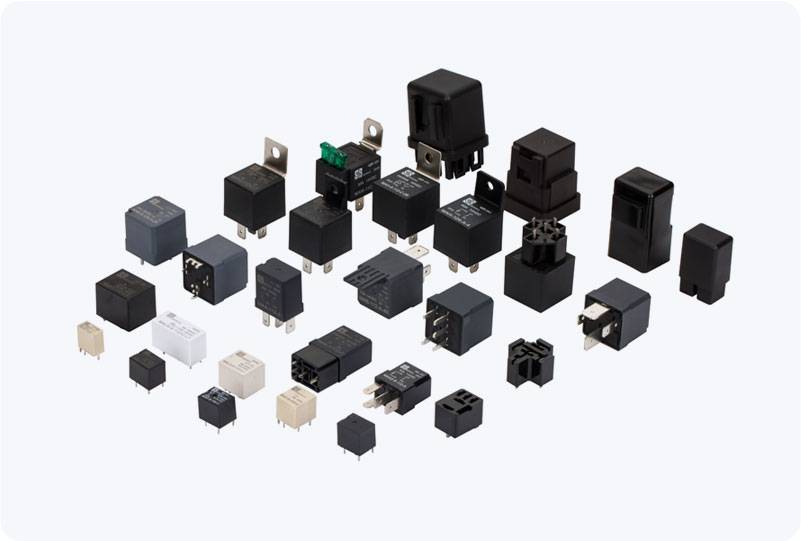
The Fundamental Purpose and Operation At its core, a Circuit Breaker Power Relay acts as an automatic switch that disrupts the flow of electricity when it detects an anomaly. The functional principles behind these devices are anchored in the continuous monitoring of electrical currents. When the current exceeds a predetermined threshold, the relay intervenes by tripping the circuit, thereby preventing potential damage to electrical equipment and reducing fire risks. The operation of a Circuit Breaker Power Relay typically involves several stages. Firstly, internal sensors monitor the current flowing through the circuit. If an overload or short circuit is detected, the device initiates a response based on its design—either by mechanical movement (in thermal circuit breakers) or via electromagnetic force (in magnetic circuit breakers). This prompt action ensures that the electrical circuit is safely interrupted, safeguarding both equipment and human life.