In the world of electrical engineering, components must work harmoniously to ensure efficiency, safety, and longevity. One such component that plays a crucial role in the protection of electrical circuits is the Capacitor Precharge Circuit Relay. This component is particularly important when dealing with high-capacitor circuits, ensuring that equipment operates smoothly while minimizing potential damage from electrical surges.
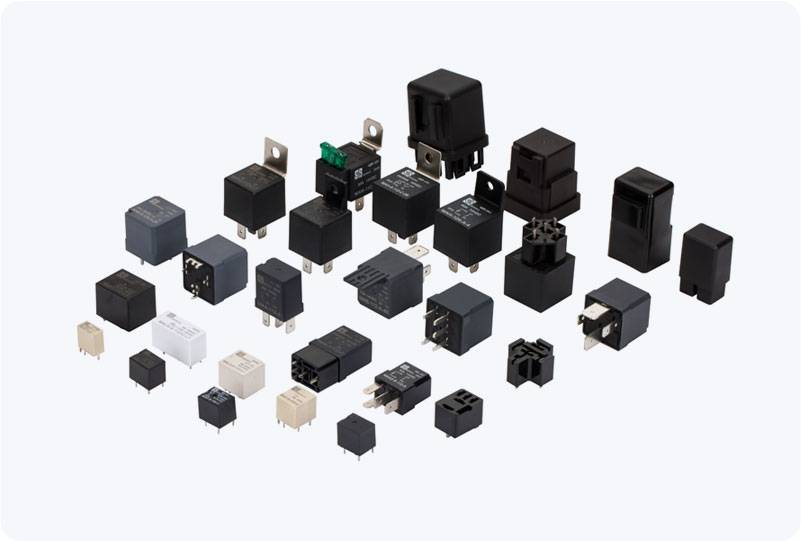
Basics of Capacitor Precharge At its core, a capacitor precharge circuit relay is designed to manage the charging process of capacitors before they are connected to a load. When powered on, especially in systems where large capacitors are employed, instant electrical surges can occur. These surges may pose risks not only to the capacitors themselves but also to other components in the circuit, including switches, connectors, and power supplies. The precharge relay mitigates these risks by introducing a controlled charging path. How It Works The operation of a capacitor precharge circuit involves several key stages. Initially, when the relay is activated, it connects the power source to the capacitor through a resistor. This resistor limits the current flowing into the capacitor, allowing it to charge gradually. By controlling the rate of charging, the precharge relay prevents the sudden influx of high current that could potentially damage sensitive components in the system.