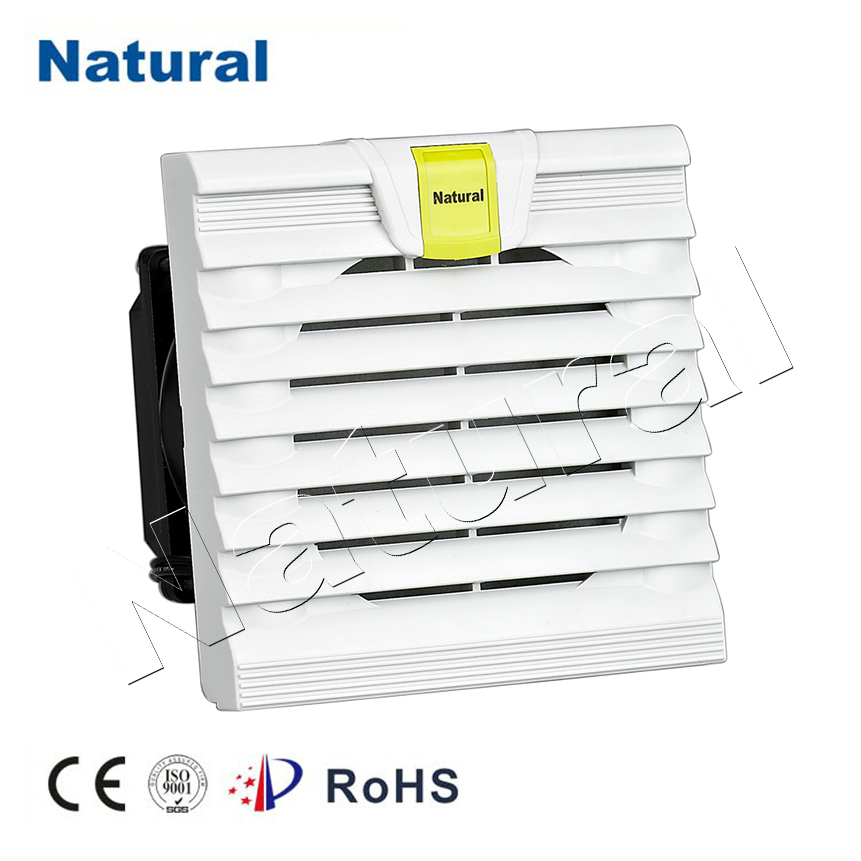
In today’s technology-driven world, the proper maintenance of electronic equipment is paramount. With increasing reliance on complex machinery and delicate instruments, ensuring optimal operating conditions is essential to prolonging their lifespan and efficiency. One crucial component that often gets overlooked is the cabinet filter fan. This article delves into the significance of cabinet filter fans, their operation, benefits, and the vital role they play in various industries.
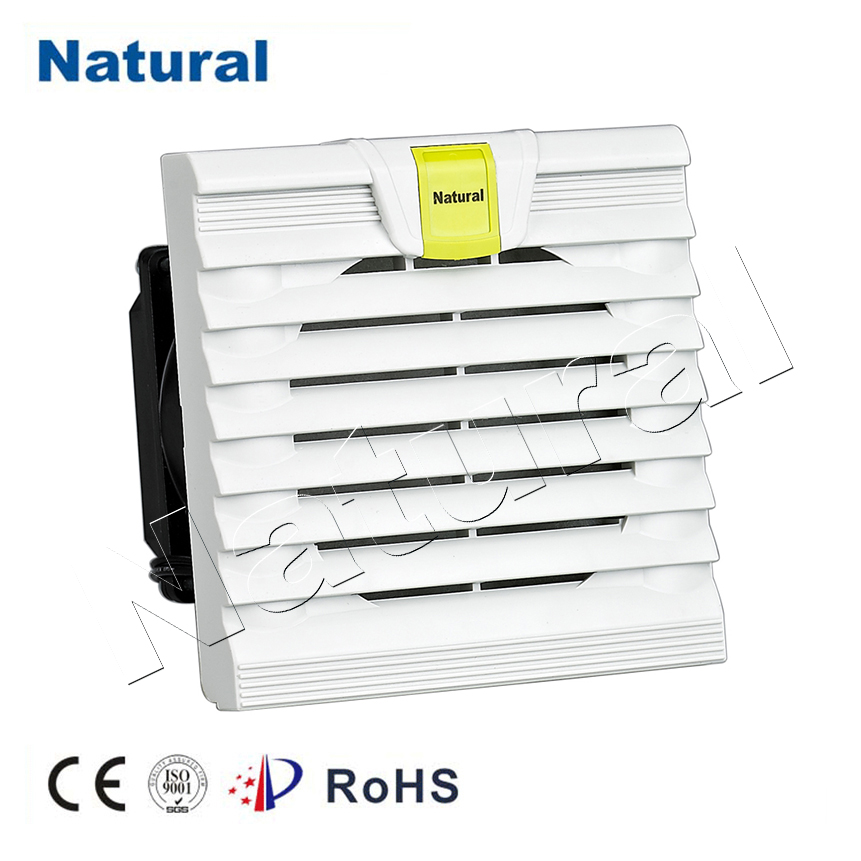
What is a Cabinet Filter Fan?
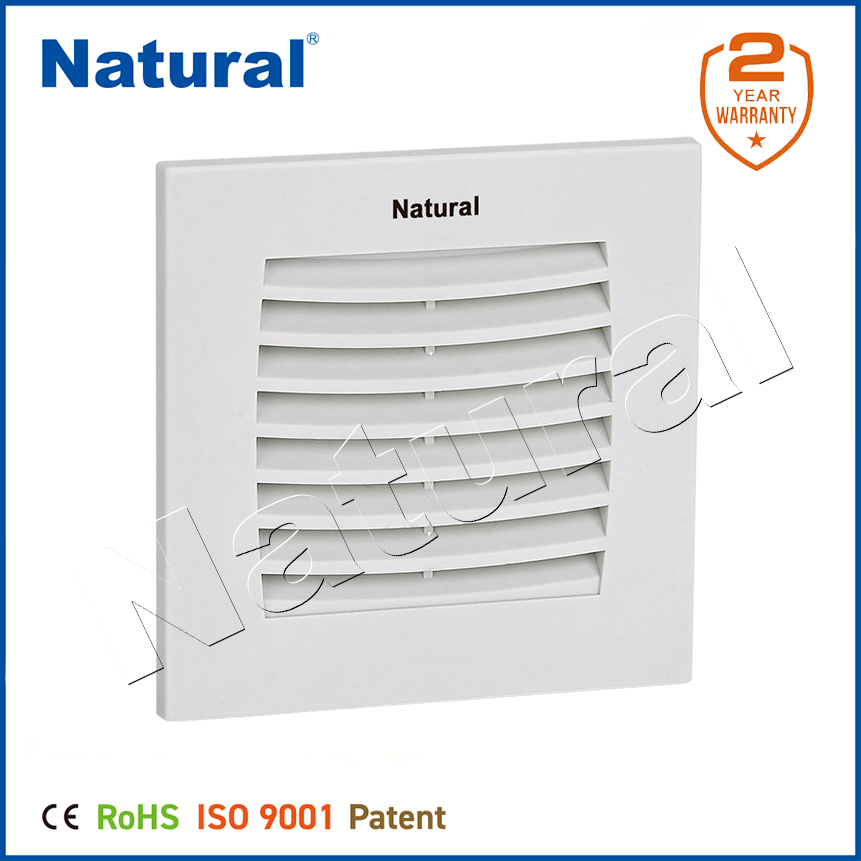
A cabinet filter fan, often referred to as an electronic equipment cooling fan, is a device designed to regulate the temperature within electrical cabinets and enclosures. These fans pull in ambient air, filter it through a specialized medium, and exhaust it within the enclosure to prevent overheating. The primary goal of a cabinet filter fan is to maintain a consistent temperature by dissipating heat generated by electronic components, ensuring that they operate efficiently and safely. How Cabinet Filter Fans Work Cabinet filter fans operate on a straightforward principle. They consist of an intake fan, a filter, and an exhaust system. The fan draws in outside air, which passes through the filter to trap dust, debris, and other contaminants. Clean air is then circulated inside the cabinet, allowing heat to escape effectively. The design of these systems focuses on optimizing airflow while maintaining a clean environment for electronic components. Regular maintenance, including filter replacements and cleaning, is crucial to ensure their longevity and efficiency.