A Building Water Supply Solenoid Valve is a critical component in modern water distribution systems. These valves are widely used to control the flow of water in various applications, ensuring that water supply systems operate efficiently, automatically, and with precision. This article delves into the essential aspects of Building Water Supply Solenoid Valves, highlighting their functions, applications, advantages, and how they contribute to effective water management in residential, commercial, and industrial buildings.
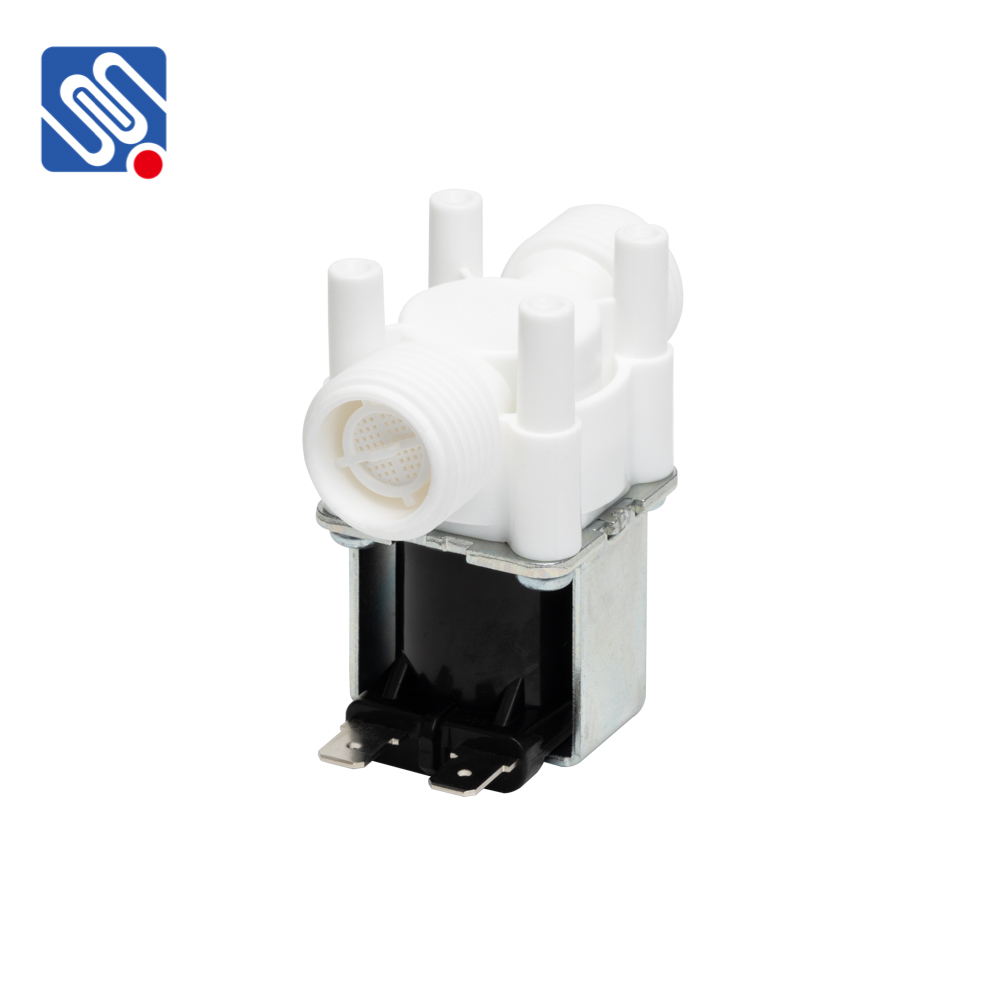
What is a Building Water Supply Solenoid Valve? A solenoid valve is an electrically controlled valve that uses a solenoid coil to open or close the valve, regulating the flow of water. When an electric current passes through the coil, it creates a magnetic field that activates the valve, either allowing water to flow or cutting it off. The valve operates on the principle of electromagnetism, and the magnetic field generated by the solenoid moves a plunger or diaphragm that opens or closes the valve. In a building water supply system, solenoid valves are often employed for controlling the water flow based on specific parameters such as pressure, time, or demand.