The Building Water Supply Solenoid Valve plays a critical role in modern water systems, acting as a key component in controlling water flow and optimizing the management of water resources in various applications. This valve, which operates electronically through electromagnetic force, offers an efficient and reliable way to automate water flow in building systems. In this article, we will explore the function, benefits, and applications of the Building Water Supply Solenoid Valve.
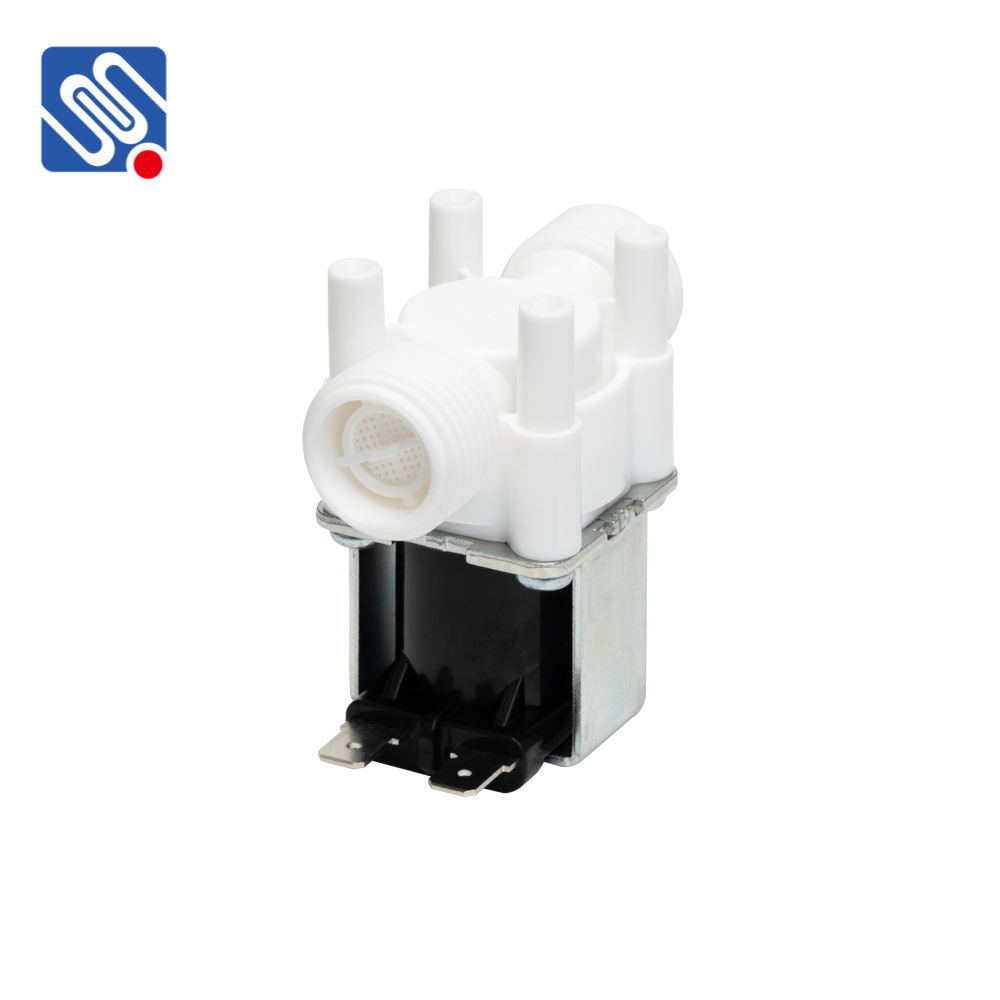
What is a Building Water Supply Solenoid Valve? A Building Water Supply Solenoid Valve is an electromechanical device used to control the flow of water within plumbing systems in buildings. It operates by utilizing an electromagnet, which, when energized, generates a magnetic field that moves the valve mechanism to either open or close the valve. This action allows for the precise control of water flow, making it an essential part of various automated water systems. Working Principle of the Solenoid Valve The working principle behind the solenoid valve is based on electromagnetism. When the coil of the solenoid is energized with electric current, it generates a magnetic field. This magnetic field pulls or pushes a plunger or armature connected to the valve, causing the valve to either open or close, thereby regulating water flow. When the coil is de-energized, the plunger returns to its original position, either closing or opening the valve, depending on the design of the valve.