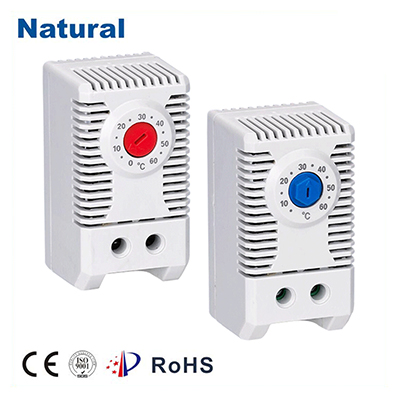
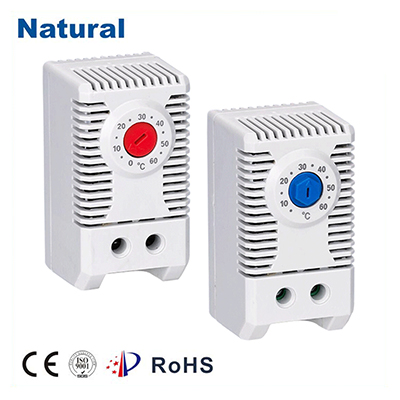
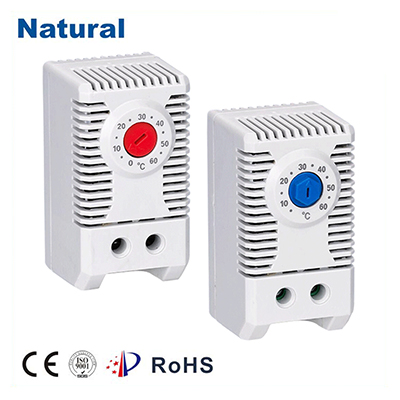
A bimetal thermostat is a crucial component used in various devices to regulate temperature. By leveraging the thermal expansion properties of different metals, it ensures that systems operate within their optimal temperature ranges. This article delves into the mechanism, applications, and benefits of bimetal thermostats.
Mechanism
At the core of a bimetal thermostat lies a bimetallic strip composed of two metals with different coefficients of thermal expansion. When the temperature changes, these metals expand at different rates, causing the strip to bend. This bending action is used to open or close an electrical circuit, thereby controlling the temperature of the system it is regulating. Typically, one metal in the strip expands more than the other. As the temperature increases, the strip bends towards the metal with the lower expansion rate. This bending motion is often linked to a switch mechanism that activates or deactivates the connected electrical circuit. Once the temperature returns to a predetermined level, the strip cools down, bends back to its original position, and resets the switch.