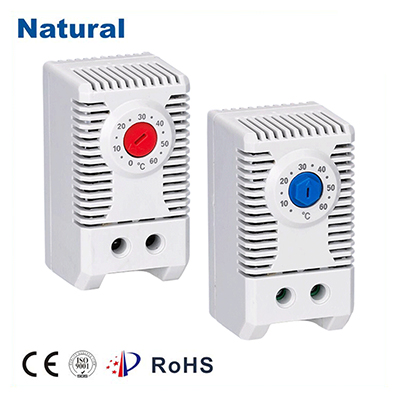
A bimetal thermostat is a crucial component in modern temperature regulation systems. It operates on a simple yet effective mechanism that makes it indispensable in many devices and appliances. In this article, we will explore the workings of a bimetal thermostat, its various applications, and the advantages it offers over other types of thermostats.
What is a Bimetal Thermostat?
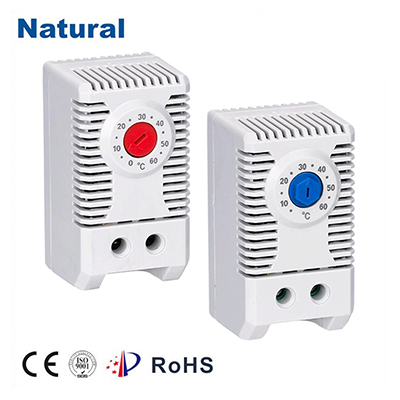
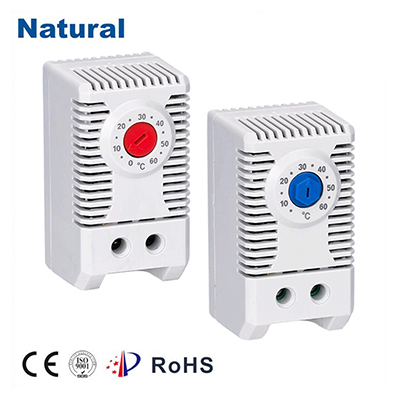
A bimetal thermostat is a type of mechanical temperature control device that relies on the physical properties of two different metals that are bonded together. These metals, often chosen for their differing rates of expansion when heated, form the key part of the thermostat’s operation. When the temperature changes, the bimetallic strip, which is made of two metals with different coefficients of expansion, bends or curves in response to the heat. This bending action either opens or closes an electrical contact, thus regulating the temperature of the system it is controlling. The bimetal thermostat is commonly used to control heating and cooling processes in a wide variety of devices. It is relatively simple, cost-effective, and highly reliable, making it a popular choice in both industrial and household applications.