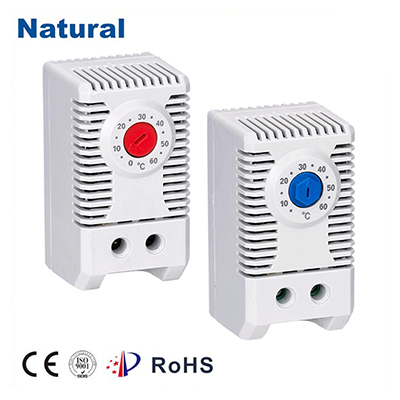
A bimetal thermostat is a simple yet effective temperature control device used in a wide range of applications, from household appliances to industrial systems. It functions based on the physical properties of two metals with different thermal expansion rates, which makes it an essential tool in regulating temperature. This article will delve into the working principle, applications, advantages, and disadvantages of bimetal thermostats, shedding light on why they continue to play a pivotal role in temperature regulation.
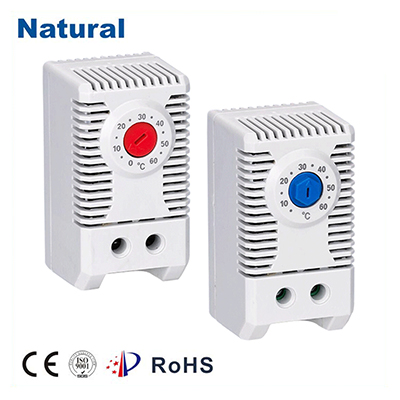
What is a Bimetal Thermostat?
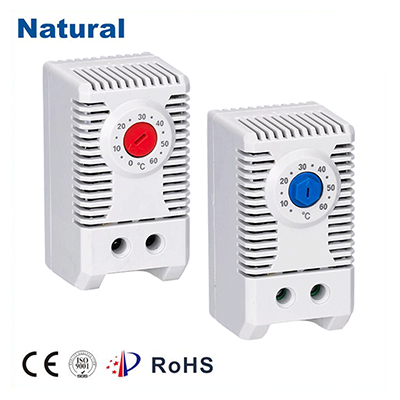
A bimetal thermostat is an electromechanical switch that uses a bimetallic strip—two metals bonded together—that bends or warps when exposed to heat. The two metals typically have different coefficients of thermal expansion, meaning that one metal expands or contracts more than the other when exposed to temperature changes. This difference in expansion causes the bimetal strip to bend in response to temperature variations, and this bending motion is used to trigger a switch that opens or closes an electrical circuit. When the circuit is opened, the device or system it controls is turned off, and when it is closed, the device is turned back on.