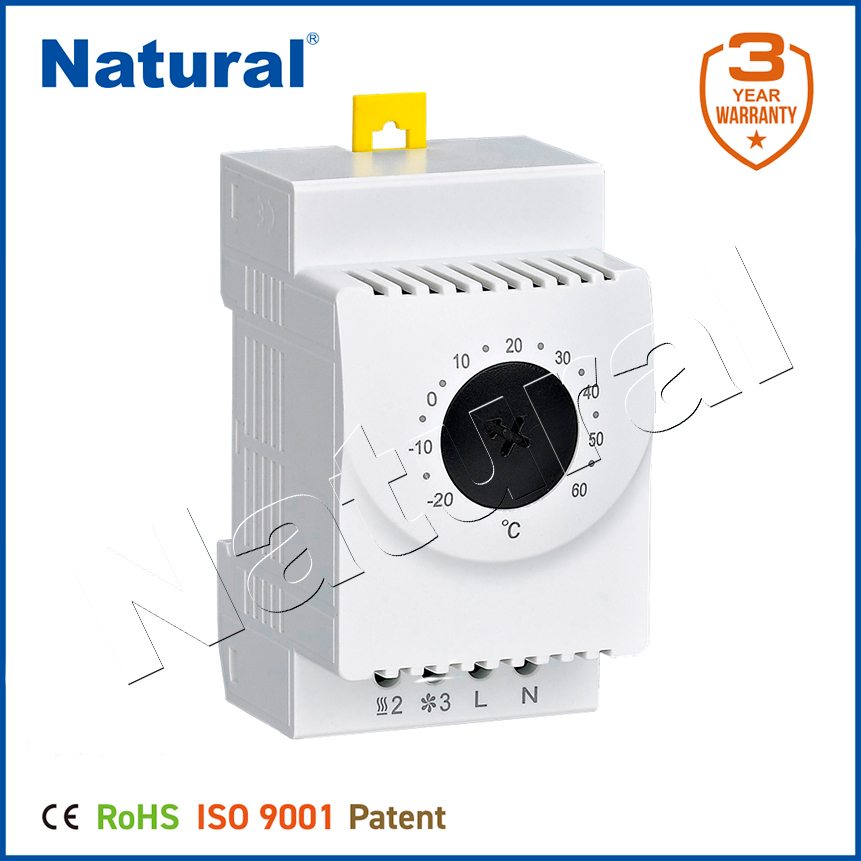
Electronic thermostats have become an integral part of modern home heating and cooling systems, providing efficient control over indoor temperature. Unlike traditional mechanical thermostats, which use a bimetallic strip to regulate temperature, electronic thermostats utilize digital technology for more precise and programmable temperature control. This article explores the advantages, functionalities, and various types of electronic thermostats available today.
What is an Electronic Thermostat?
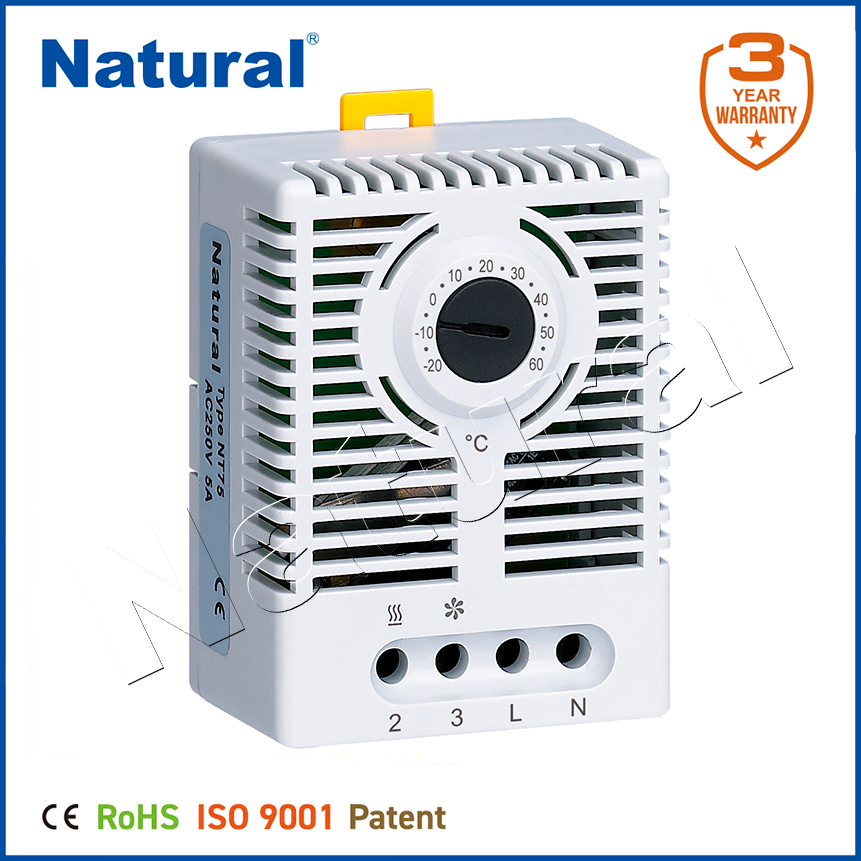
An electronic thermostat is a device that regulates the temperature of a heating or cooling system. It uses sensors, digital circuitry, and advanced software to control the heating, ventilation, and air conditioning (HVAC) systems of a home or business. The thermostat allows users to set their desired temperature, and the system adjusts the HVAC unit to maintain that temperature consistently.
Electronic thermostats can be as simple as basic digital models or as advanced as smart thermostats that can be controlled remotely via smartphones or integrated into a smart home system. The technology behind electronic thermostats enables greater accuracy in temperature regulation, improved energy efficiency, and the ability to tailor the indoor climate to suit individual preferences.