In today’s world, maintaining a comfortable indoor environment is essential for both residential and commercial spaces. One of the key components that facilitate this comfort is the adjustable thermostat. This device plays a pivotal role in regulating temperature, optimizing energy efficiency, and enhancing overall living and working conditions. In this article, we will delve into the functionality, advantages, and types of adjustable thermostats, shedding light on why they are a critical aspect of modern heating and cooling systems.
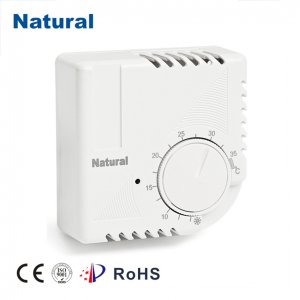
What is an Adjustable Thermostat?
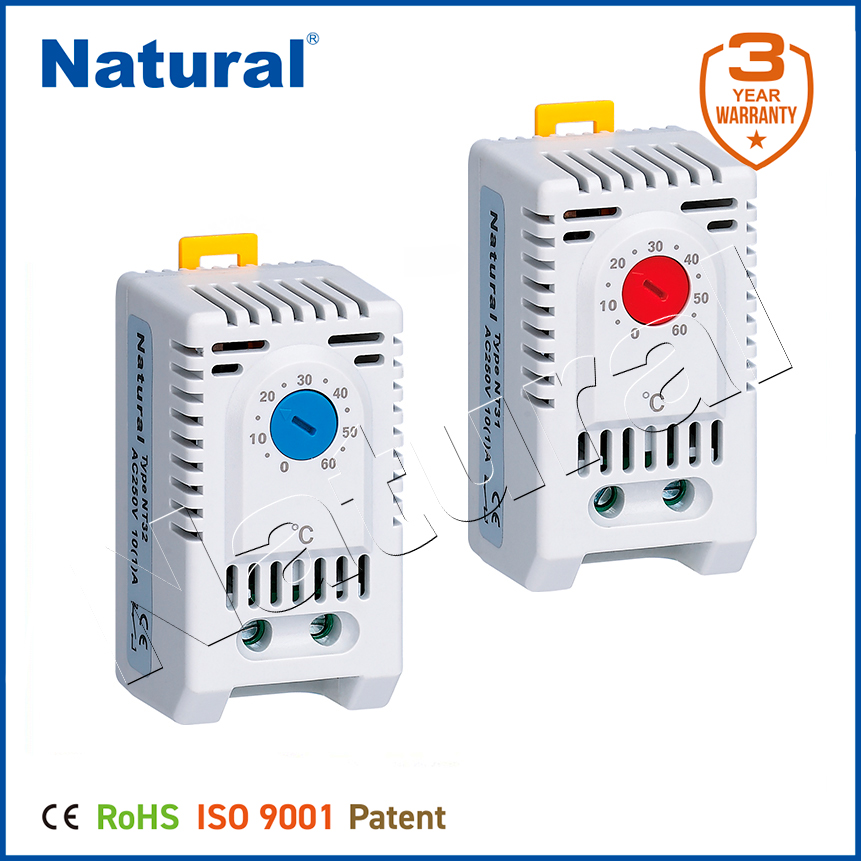
An adjustable thermostat is a device that allows users to manually or electronically set and regulate the desired indoor temperature. It connects to the heating, ventilation, and air conditioning (HVAC) system, controlling its operation to maintain the specified temperature. Depending on the sophistication of the model, an adjustable thermostat can range from simple mechanical designs to advanced smart systems that integrate with Internet of Things (IoT) technology. Types of Adjustable Thermostats Mechanical Thermostats: These are the simplest form of thermostats that use physical components like bimetallic strips to sense temperature changes. Users manually adjust the settings, making them straightforward but often less energy-efficient than newer models.
