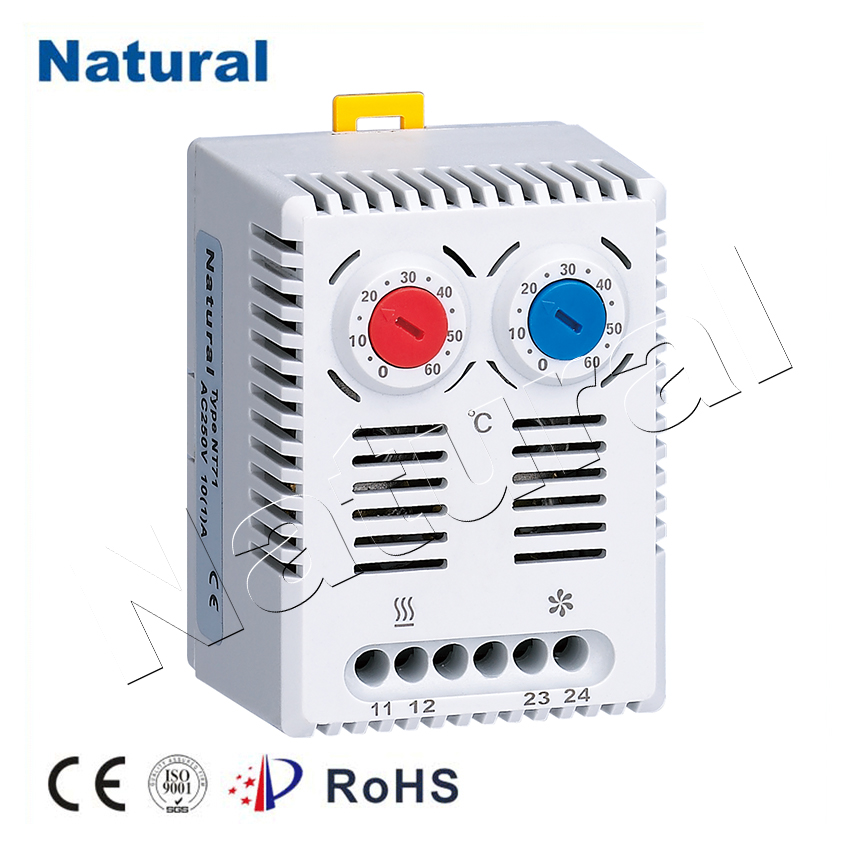
A thermostat is a crucial component in any heating, ventilation, and air conditioning (HVAC) system, responsible for maintaining a consistent and comfortable temperature inside buildings. Most people are familiar with a standard thermostat, which regulates the temperature of a space by controlling the heating or cooling systems based on a set point. However, in certain settings, there is a growing preference for dual thermostats, devices designed to independently control two different temperature zones. This article explores what a dual thermostat is, how it works, and the benefits it provides in both residential and commercial applications.
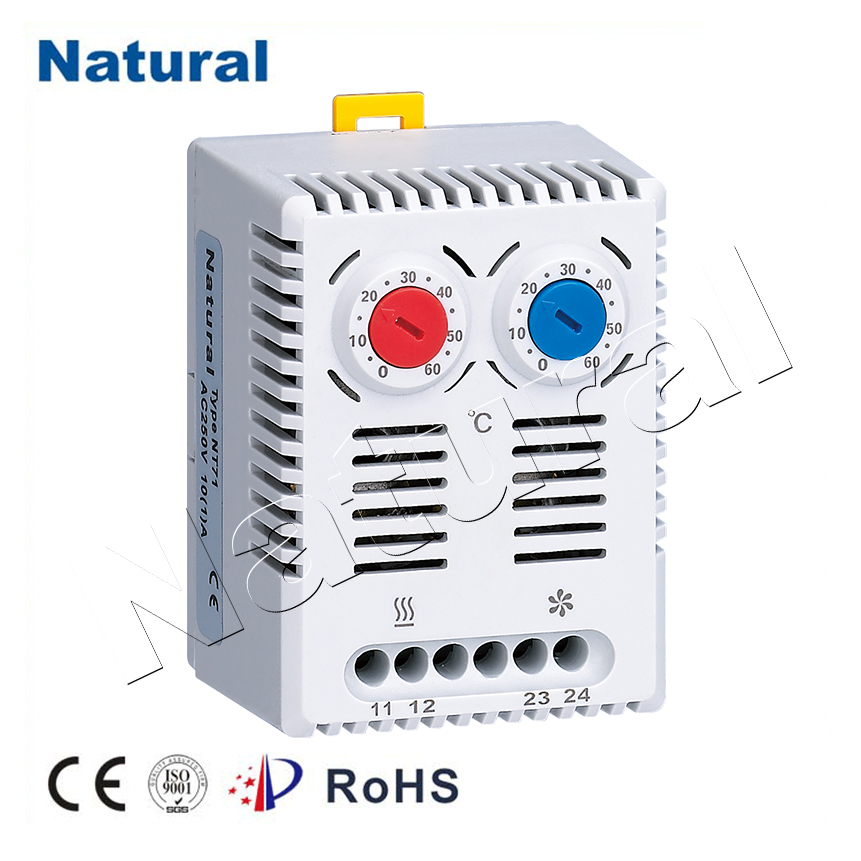
What is a Dual Thermostat?
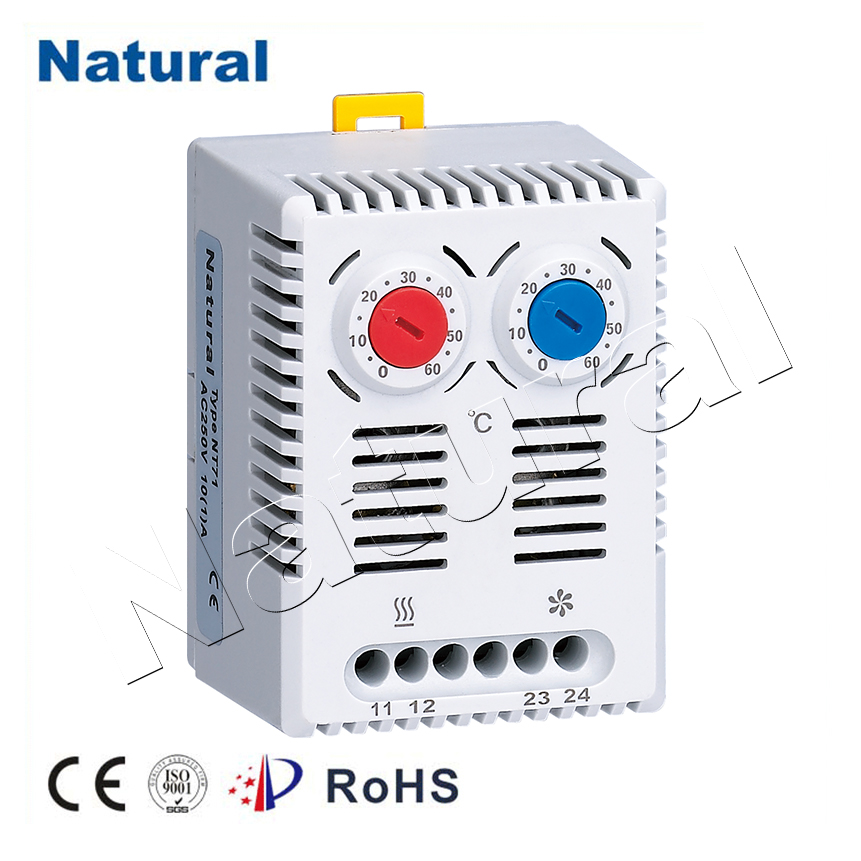
A dual thermostat is an advanced type of thermostat that allows users to control the temperature of two distinct zones or areas within a building separately. Unlike a traditional single thermostat that regulates the entire home’s temperature, a dual thermostat provides more flexibility by adjusting the temperature in different parts of the building according to specific needs. Dual thermostats are commonly used in larger homes, commercial spaces, multi-zone HVAC systems, and buildings with multiple floors. They are especially useful in environments where temperature preferences vary between rooms or areas, such as in offices, large apartments, or homes with different rooms for different purposes. The two zones can either be heating and cooling zones, or zones with different temperature requirements, like living areas versus bedrooms.