A Plastic Solenoid Valve is an essential component in many industrial and commercial applications, acting as a control device that regulates the flow of fluids or gases through pipelines. Unlike traditional metal valves, which are usually employed in high-pressure or high-temperature environments, plastic solenoid valves are designed to be lightweight, cost-effective, and resistant to corrosion. This article will explore the working principles, advantages, and common uses of plastic solenoid valves, highlighting their role in various industries.
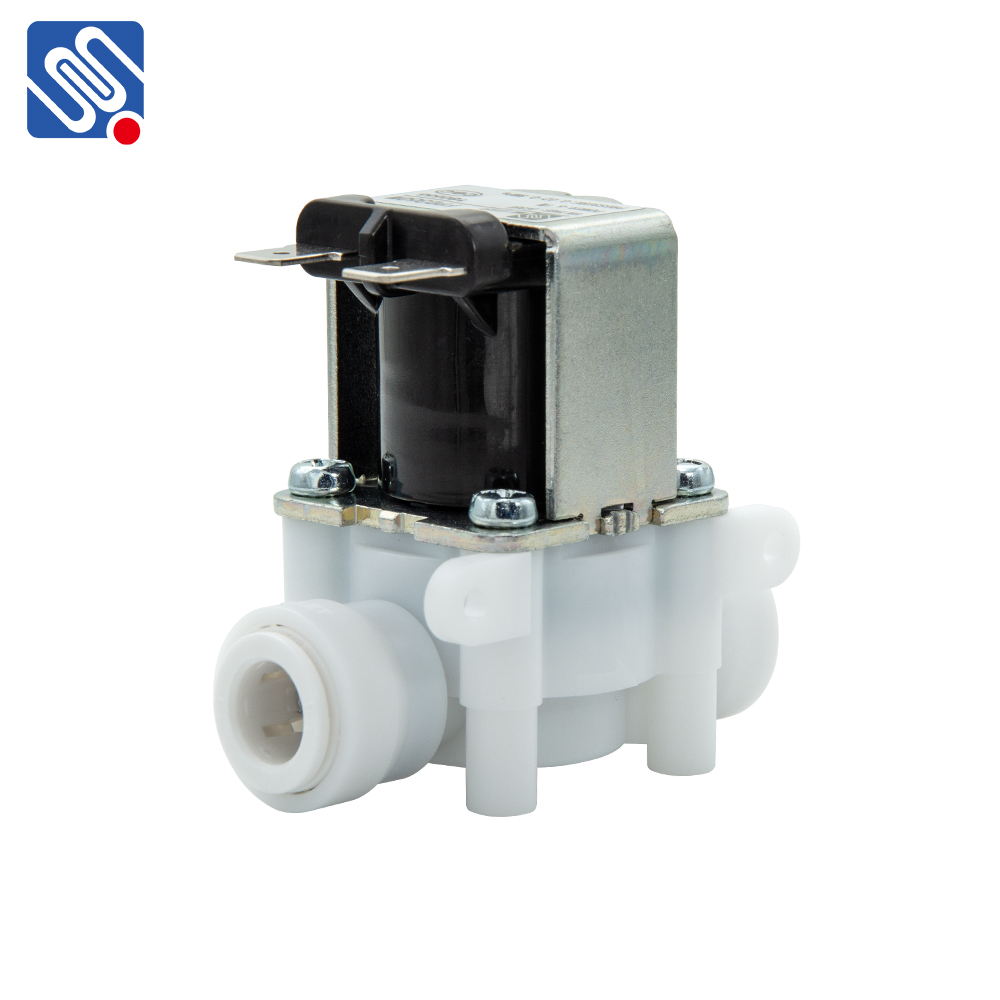
Working Principle of Plastic Solenoid Valve At its core, a solenoid valve operates as an electromechanical device that uses an electromagnetic coil to control a movable plunger. When an electric current is passed through the coil, it generates a magnetic field that attracts or repels the plunger, either opening or closing the valve. This allows for the flow of fluids or gases to be controlled based on the current supplied to the solenoid. A plastic solenoid valve, much like its metal counterparts, follows this basic operating principle. However, it utilizes plastic materials, such as PVC, polypropylene, or PTFE (polytetrafluoroethylene), for its construction. These materials are chosen for their resistance to corrosion, low weight, and ease of manufacturing. In plastic solenoid valves, the plastic components are designed to withstand various fluid types, including water, chemicals, and other corrosive substances, which makes them ideal for applications where metal valves might be subject to rust or degradation.
Leave a Reply