Plastic solenoid valves are becoming increasingly popular across various industries due to their unique combination of durability, lightweight design, and resistance to corrosion. These valves are commonly used to control the flow of fluids or gases, relying on an electromagnetic solenoid to perform the switching action. Whether in water treatment plants, chemical processing, or the food industry, plastic solenoid valves offer versatile solutions for fluid and gas control. This article explores the key features, applications, and benefits of plastic solenoid valves, highlighting why they are gaining attention in different sectors.
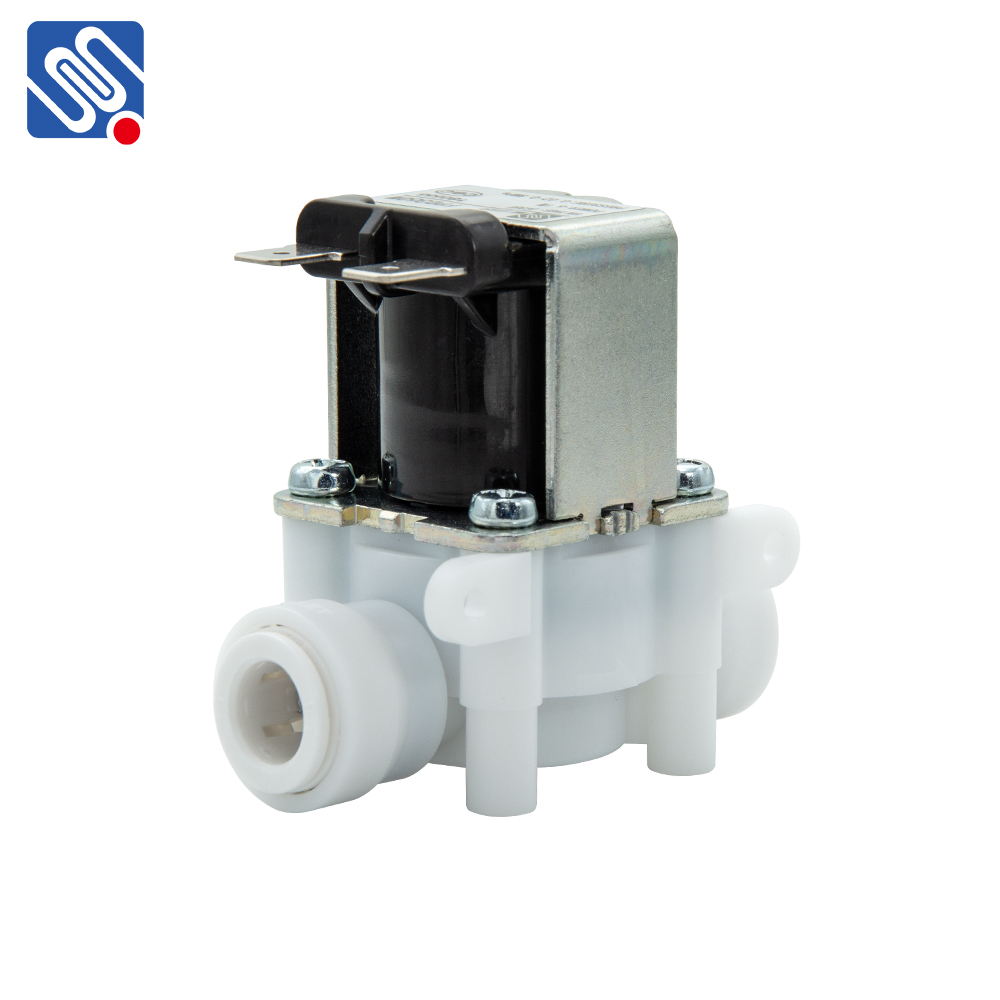
What is a Plastic Solenoid Valve? A plastic solenoid valve operates on the same basic principles as any solenoid valve, with the added advantage of being made from non-metallic materials such as PVC, PVDF, or polypropylene. The valve comprises two main components: the solenoid coil, which generates a magnetic field when energized, and the valve body, which is responsible for controlling the flow of fluids or gases. When electrical current flows through the solenoid coil, it creates a magnetic field that activates the valve’s internal mechanism, opening or closing the valve to regulate the flow.