In today’s technologically driven world, maintaining optimal temperature levels is crucial for a wide range of applications, from home comfort to industrial processes. An adjustable temperature control switch plays a pivotal role in achieving this objective, ensuring devices operate within a specific thermal range. This article delves into the functionality, components, and various applications of adjustable temperature control switches, highlighting their importance in modern-day systems.
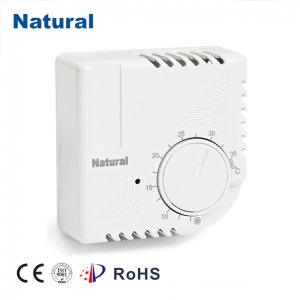
What is an Adjustable Temperature Control Switch?
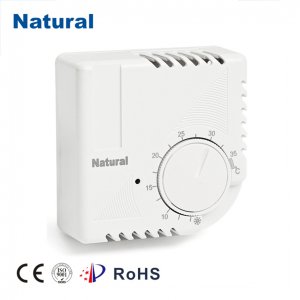
An adjustable temperature control switch is an electronic device designed to regulate the temperature of heating and cooling systems. It allows users to set a desired temperature, automatically activating or deactivating connected devices when the ambient temperature diverges from the set point. This capability not only enhances comfort but also contributes to energy efficiency by preventing unnecessary power consumption. Components of an Adjustable Temperature Control Switch The fundamental operation of an adjustable temperature control switch hinges on several key components: Temperature Sensor: This is the heart of the switch, responsible for monitoring the ambient temperature. Common sensor types include thermocouples, resistive temperature devices (RTDs), and thermistors. These sensors provide real-time data to the control circuit.
Leave a Reply