The 800V Power Distribution Relay is an essential component in high-voltage electrical systems, playing a crucial role in power management, protection, and distribution. With the rise of electric vehicles (EVs), renewable energy, and industrial automation, the need for reliable and efficient power relays has grown significantly. The 800V Power Distribution Relay, designed to withstand high voltages and ensure safe and precise power distribution, is increasingly becoming a staple in modern electrical systems. In this article, we will explore the key features, applications, and significance of the 800V Power Distribution Relay.
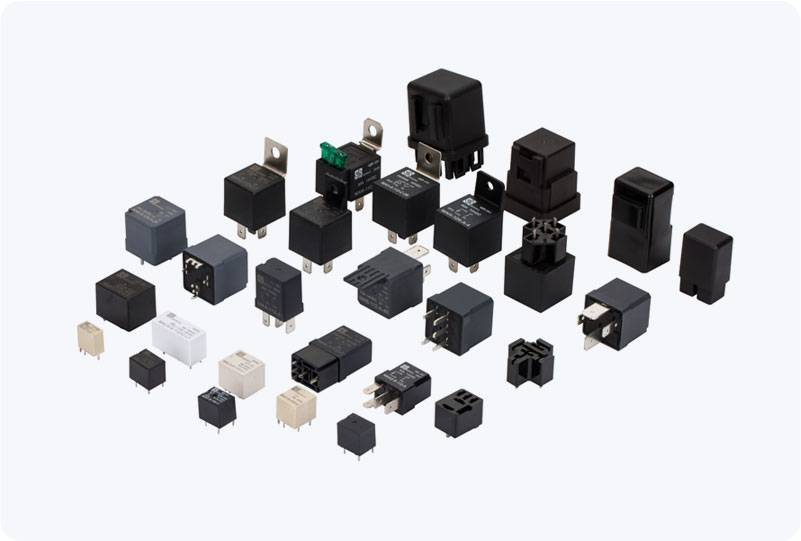
Key Features of the 800V Power Distribution Relay High Voltage Tolerance: As its name suggests, the 800V Power Distribution Relay is specifically designed to operate in high-voltage environments, typically handling voltages up to 800 volts. This makes it ideal for applications that require robust power handling capabilities, such as electric vehicle battery systems or large industrial machinery. Its ability to work efficiently with such high voltages ensures its reliability in mission-critical applications. Current Carrying Capacity: The relay’s current carrying capacity is another essential feature. Apart from handling high voltage, the relay is also designed to carry significant current loads. This is crucial in high-power distribution systems, where sudden surges in current need to be managed effectively to prevent damage to equipment or electrical fires.