In the world of electrical engineering and automation, the 30A power relay plays a pivotal role in controlling high-power devices safely and efficiently. This component, often referred to as an electromechanical switch, allows a low-power control signal to manage high-voltage and high-current applications. Its significance extends across multiple sectors, from automotive to industrial automation, making it a fundamental device in various electrical systems.
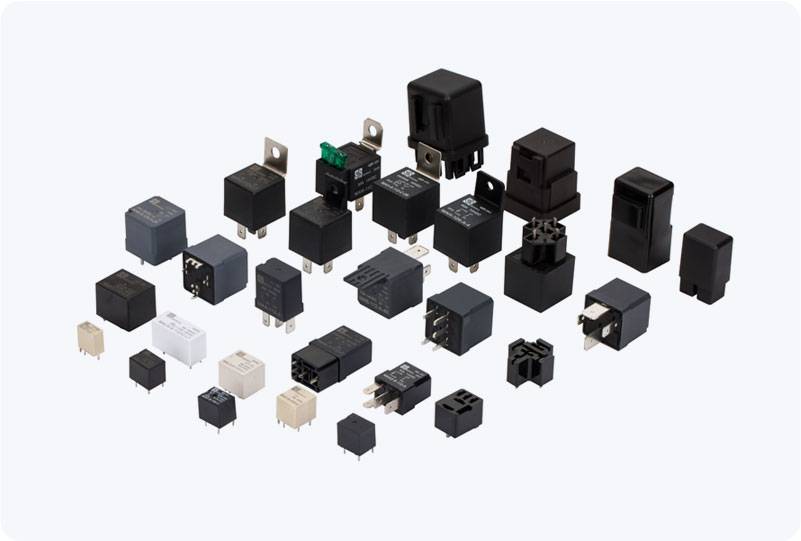
What is a 30A Power Relay? A 30A power relay is designed to switch electrical currents up to 30 amperes, making it suitable for applications that require handling substantial amounts of power. Commonly available in configurations such as single-pole and double-pole, these relays feature normally open (NO) and normally closed (NC) contacts. The NO contacts close when the relay coil is energized, allowing current to flow through the load circuit, while the NC contacts open, interrupting the current flow. Working Mechanism The operational principle of a 30A power relay revolves around electromagnetism. When a voltage is applied across the relay coil, it generates a magnetic field, which attracts a movable armature. This movement either connects (in the case of NO) or disconnects (in the case of NC) the electrical contacts. Once the coil is de-energized, the armature returns to its original position, thereby restoring or interrupting the circuit.