In today’s world of electronics and electrical engineering, relays play a crucial role in controlling high-power devices with low-power signals. Among the various types of relays available, the 30A Power Relay stands out due to its capability to handle substantial current loads while providing reliable operation. This article explores the features, applications, and best practices associated with the 30A Power Relay.
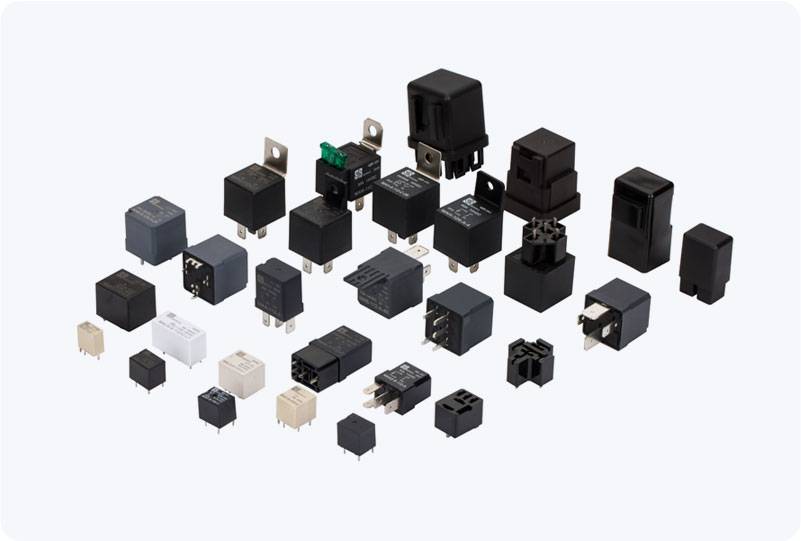
What is a 30A Power Relay? A 30A Power Relay is an electromechanical switch that can control electrical circuits through a coil and contact mechanism. When a low-voltage control signal is applied to the relay’s coil, it generates a magnetic field that activates the switch, either opening or closing the circuit. The 30A specification indicates that this relay can safely conduct a current of up to 30 amps, typically at voltage levels of 12V DC or 24V DC, although variations exist. One of the key aspects of a power relay is its ability to isolate the control circuit from the load circuit, which protects sensitive control components from high-voltage spikes that might occur during operation.