The 24VDC Power Relay is a crucial component widely used in electrical systems to control the switching of high-power devices with a low-voltage signal. Its primary function is to act as an electrically operated switch that allows small control signals to control larger currents, which is essential for automation, industrial control, and safety systems. This article will explore the features, applications, and advantages of 24VDC Power Relays, providing insight into why they are so commonly used in modern electrical circuits.
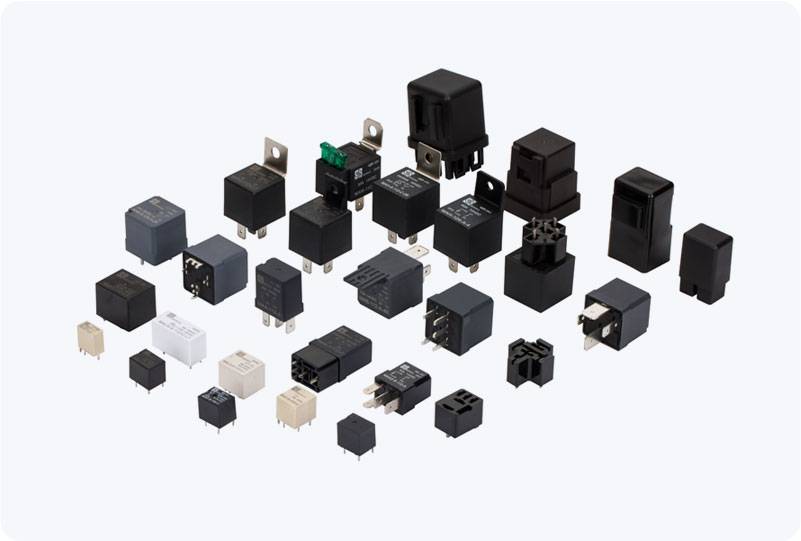
What is a 24VDC Power Relay? A 24VDC Power Relay consists of two primary parts: the coil and the contacts. The coil is energized by a 24V DC signal, which generates a magnetic field that moves the contacts to either open or close a circuit. This allows a small control current at 24V DC to control a larger current through the load, which could be anything from motors to lighting circuits. The relay operates as a mechanical switch, using the magnetic field created by the coil to activate the contacts. Relays are categorized based on their contact types, which can include Normally Open (NO), Normally Closed (NC), or Changeover (CO). When the coil is energized, the NO contacts close, while the NC contacts open. This mechanism is highly reliable and can switch both AC and DC circuits, depending on the relay’s design.
Leave a Reply