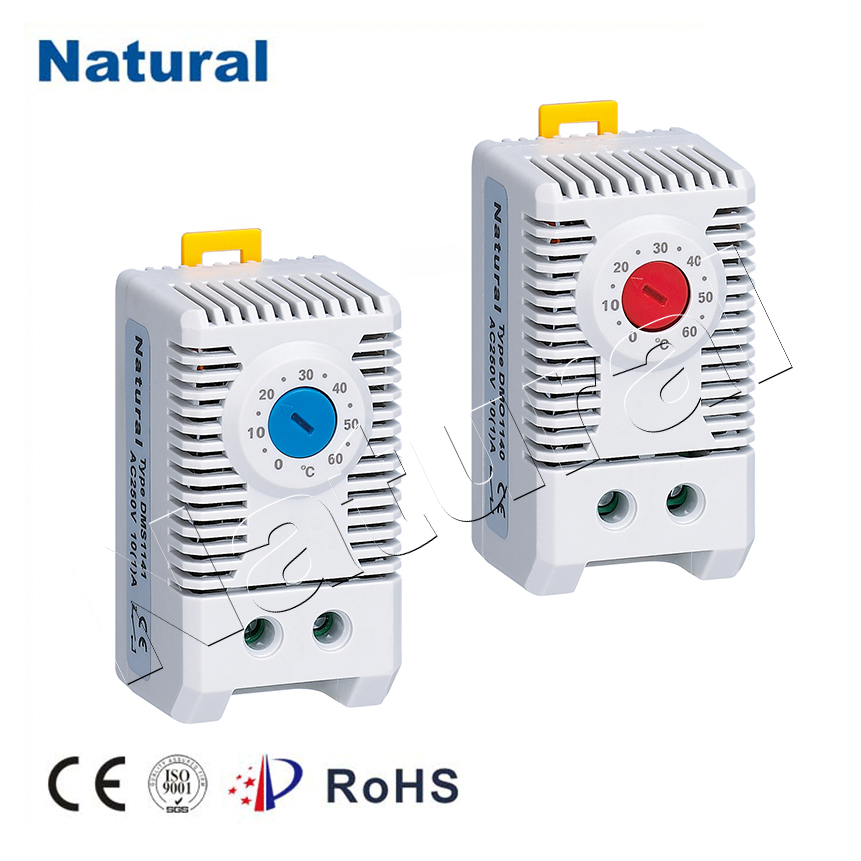
A 24V thermostat plays a crucial role in maintaining the desired temperature within homes, businesses, and industrial spaces. It serves as the central device in heating, ventilation, and air conditioning (HVAC) systems, ensuring that these systems operate efficiently and provide comfort to occupants. In this article, we will delve into the workings of a 24V thermostat, its benefits, common applications, and how it differs from other types of thermostats.
What is a 24V Thermostat?
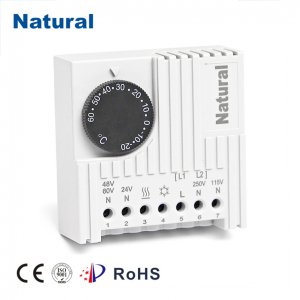
A 24V thermostat is a type of low-voltage thermostat designed to regulate the temperature of HVAC systems. Unlike traditional high-voltage thermostats, which may operate on 110V or 220V, a 24V thermostat operates on a lower voltage (typically 24 volts) and is primarily used for controlling devices like furnaces, air conditioners, and heat pumps. The 24V system works by sending a signal through low-voltage wiring to control the HVAC equipment’s operation. This low-voltage system makes it safer to install and operate compared to high-voltage alternatives. Additionally, it is more efficient, as it reduces the risk of electrical hazards and is well-suited for residential and commercial environments.