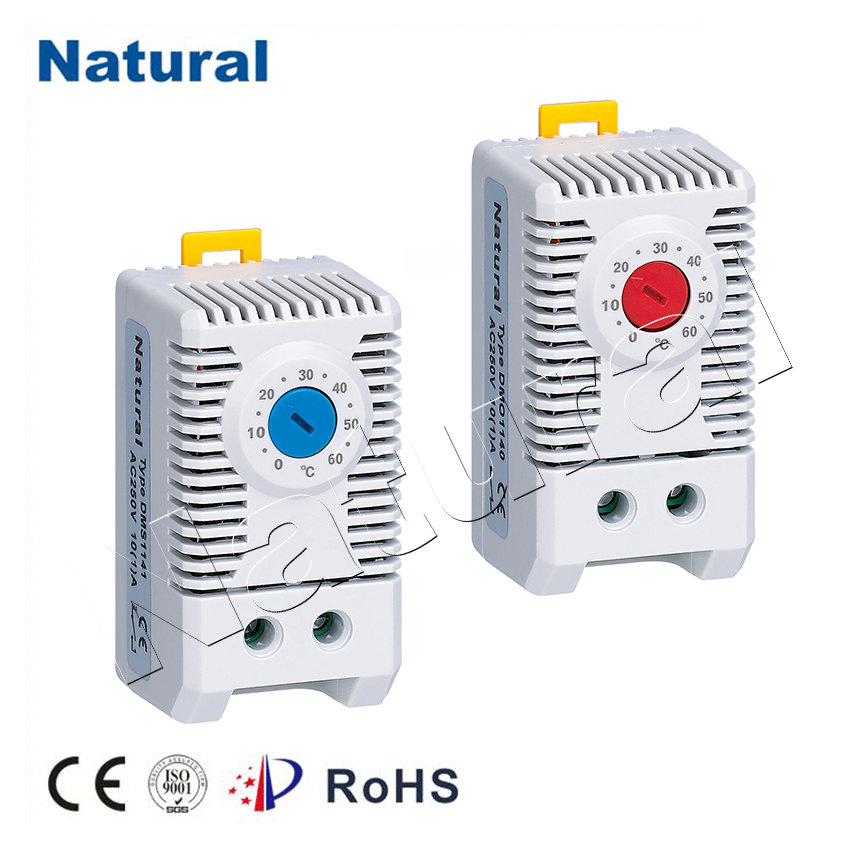
A thermostat is an essential component in any heating, ventilation, and air conditioning (HVAC) system, providing the necessary control to maintain comfortable indoor temperatures. Among the various types of thermostats available in the market, the 24V DC thermostat has gained popularity due to its reliability and effectiveness in managing temperature regulation across a range of applications. This article delves into the functionality, applications, benefits, and critical considerations when using a 24V DC thermostat.
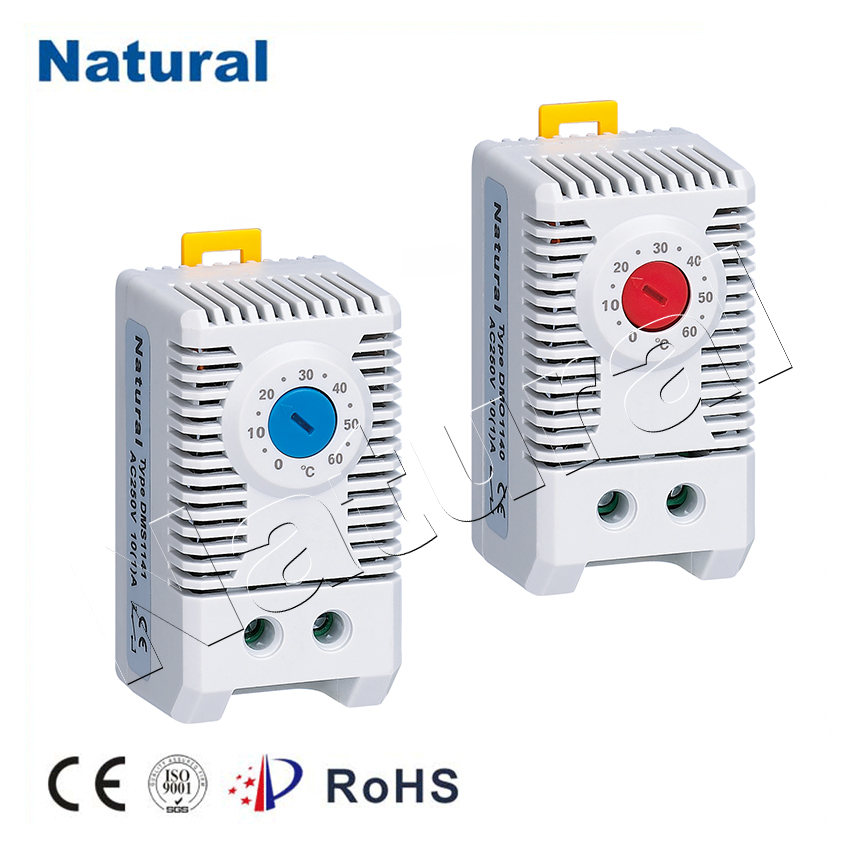
Functionality of a 24V DC Thermostat
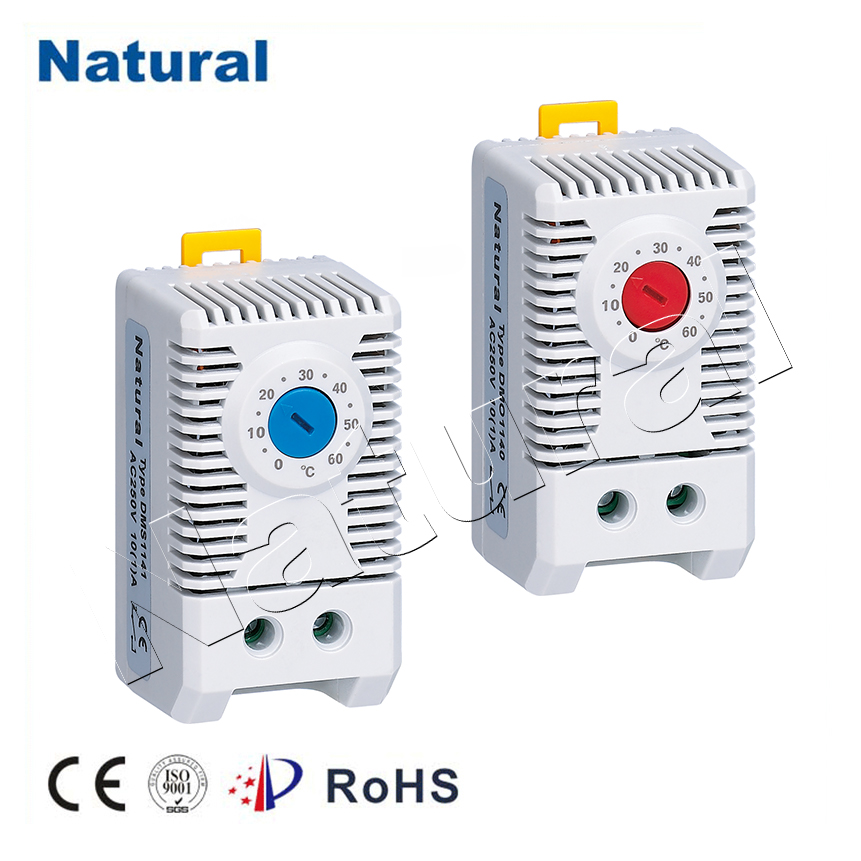
The primary function of a 24V DC thermostat is to monitor and regulate the ambient temperature of a given space. When the temperature deviates from the user-defined setpoint, the thermostat sends a signal to activate or deactivate the heating or cooling system. Some traditional models rely on mechanical components, such as bi-metallic strips, while modern digital thermostats utilize electronic sensors and microcontrollers for enhanced precision and performance. One of the notable aspects of the 24V DC thermostat is its ability to operate on low voltage, which is safer and generally easier to install than high-voltage systems. The thermostat typically connects to the HVAC system through a series of low-voltage wires, allowing for straightforward installation without the need for extensive electrical work.