Relays are essential components in various electrical and electronic systems, serving as a bridge between low-voltage control circuits and high-power switching operations. Among the many types of relays, the 24V 30A relay stands out due to its ability to handle both moderate control voltages and substantial current loads. This article will explore the key features, benefits, and common applications of the 24V 30A relay, emphasizing its significance in modern technology.
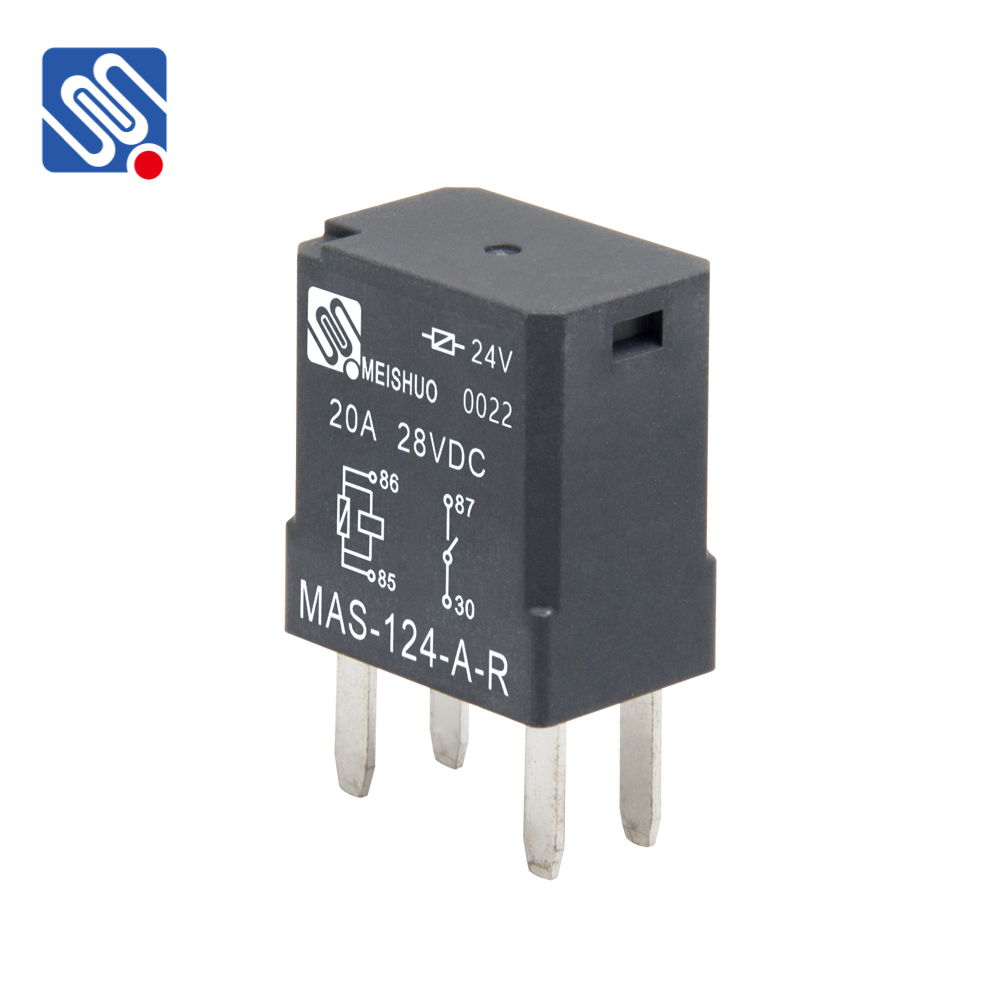
What is a 24V 30A Relay? A 24V 30A relay is an electromagnetic switch designed to control high-power circuits using a relatively low control voltage of 24V DC. The relay features a 30-amp contact rating, which makes it suitable for switching large currents safely. The “24V” refers to the voltage required to activate the relay’s coil, and the “30A” indicates the maximum current the relay can handle on the load side of the switch. This type of relay typically features both NO (Normally Open) and NC (Normally Closed) contacts, allowing users to choose between opening or closing the circuit depending on the relay’s state. When the control circuit energizes the coil with 24V, it creates a magnetic field that moves the switch inside, either opening or closing the contact points based on the relay’s design.