A 24V 30A relay is an essential component widely used in a variety of high-power electrical circuits. It serves as a key intermediary device that allows for the switching of electrical loads with significantly higher current and voltage ratings than what the controlling circuit can handle. In this article, we will explore the functionality, applications, and important considerations when selecting and using 24V 30A relays.
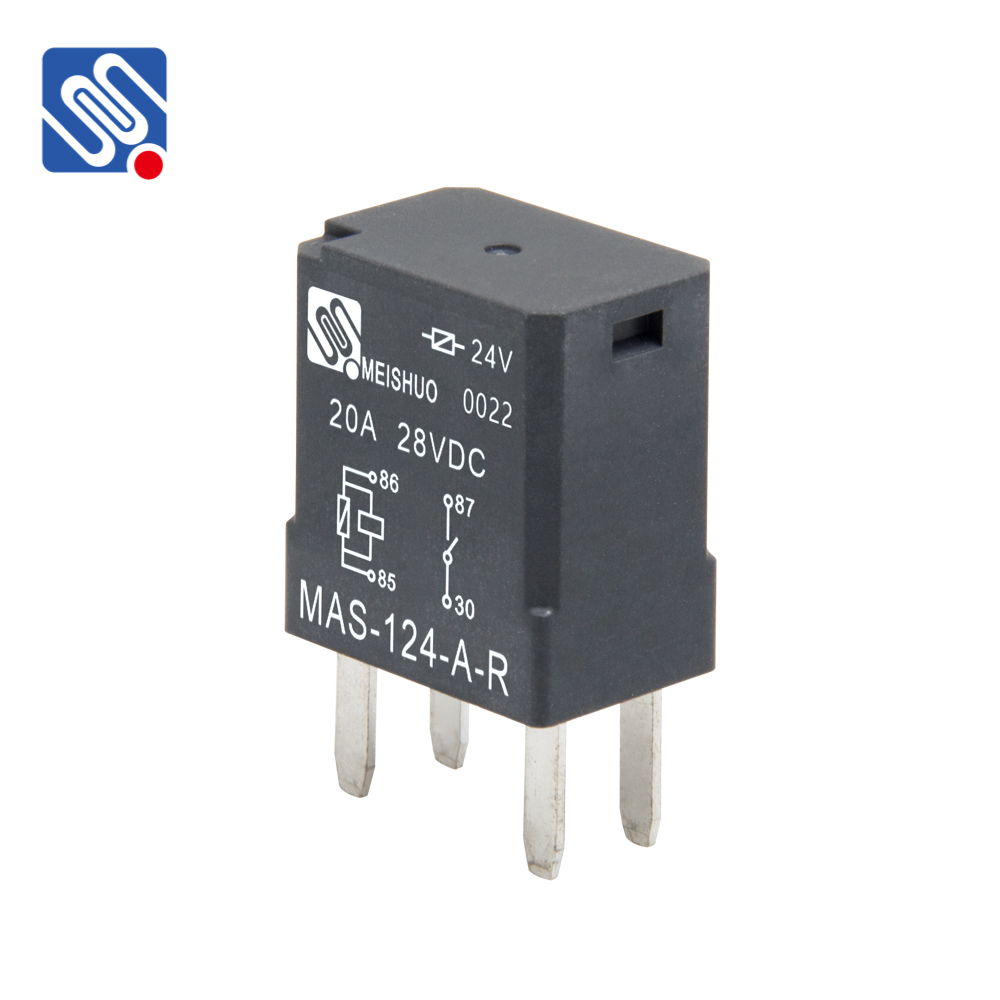
What is a 24V 30A Relay? A 24V 30A relay is a type of electromechanical switch that is designed to handle up to 30 amps of current at 24 volts DC. It works by using a low-voltage signal (24V) to control the switching of high-current circuits, providing an efficient and safe means of controlling large loads. The relay consists of an electromagnetic coil, contacts, and a mechanical switching mechanism that opens or closes the circuit when the coil is energized. How Does It Work? The operating principle of a 24V 30A relay is simple yet effective. When 24V DC is applied to the coil of the relay, the coil generates a magnetic field that attracts or repels an armature, which in turn moves the contacts. These contacts either close or open the high-current circuit, enabling or disabling the flow of power to connected devices. This action allows for a low-power control circuit to switch high-power loads without the need for manual intervention or direct connection to the high-current circuit.