Relays are vital components in modern electrical and electronic systems, serving as a bridge between low-power and high-power circuits. One of the most common relays used in various industrial and commercial applications is the 24V 10A relay. This type of relay, capable of handling 24V input and controlling up to 10A of current, plays a crucial role in enabling safe and efficient operation of machinery, appliances, and other power-hungry devices. In this article, we will explore the design, functionality, and applications of the 24V 10A relay, shedding light on why it’s so widely used in different sectors.
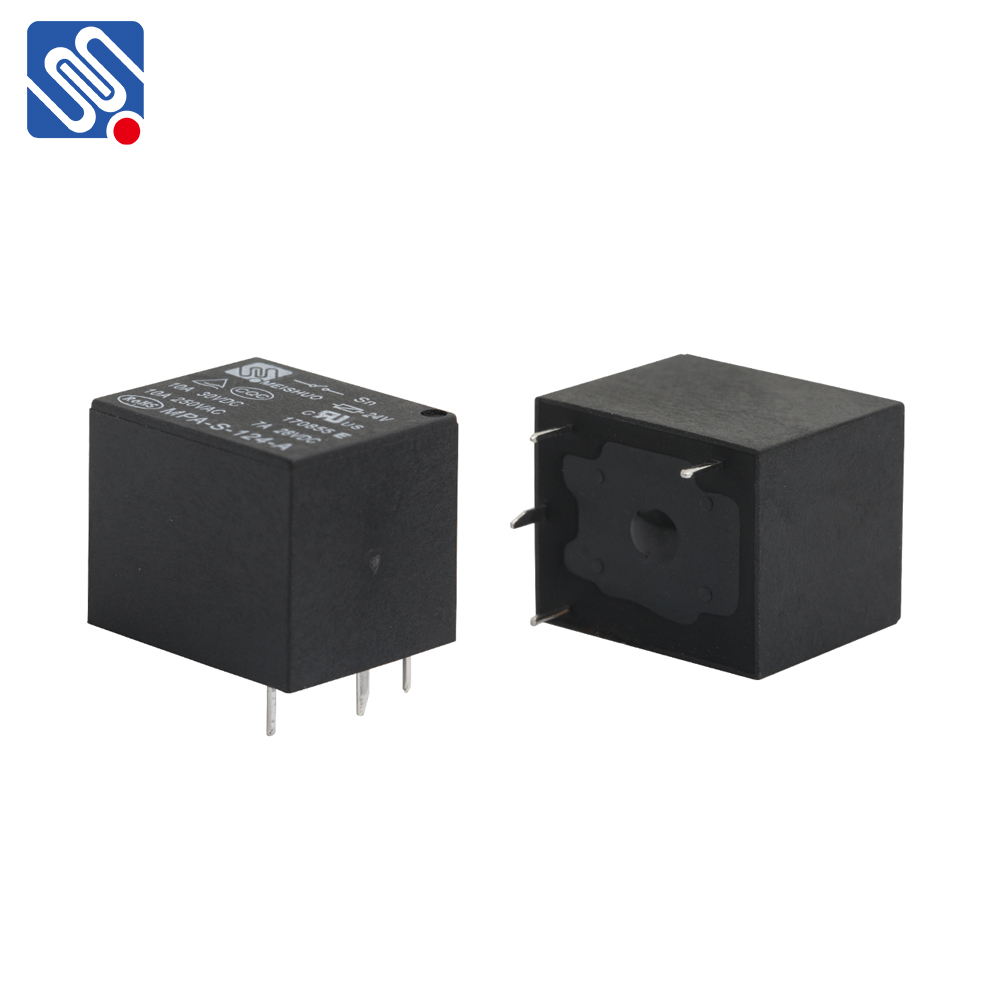
What is a 24V 10A Relay? A relay is an electrically operated switch that allows a low-power signal to control a high-power circuit. The 24V 10A relay specifically operates with a 24-volt DC input and is capable of switching circuits with currents up to 10 amps. The relay consists of two primary components: the coil and the switching contacts. When a 24V signal is applied to the relay’s coil, it generates a magnetic field that pulls the contacts together, completing the circuit and allowing current to flow. Depending on the relay’s configuration, the contacts can either be normally open (NO), closing when the coil is energized, or normally closed (NC), opening when the coil is energized. The 10A rating means that the relay can safely handle up to 10 amps of current passing through its contacts without overheating or causing damage.