Relays are essential components in modern electrical and electronic systems, providing control over high-power circuits with low-power signals. Among the various types of relays, the 24V 10A Relay is one of the most widely used. Its robust performance, ease of use, and versatility make it an ideal choice for a wide range of applications, particularly in automation, motor control, and automotive systems. This article explores the functionality, key features, applications, and selection criteria for the 24V 10A relay.
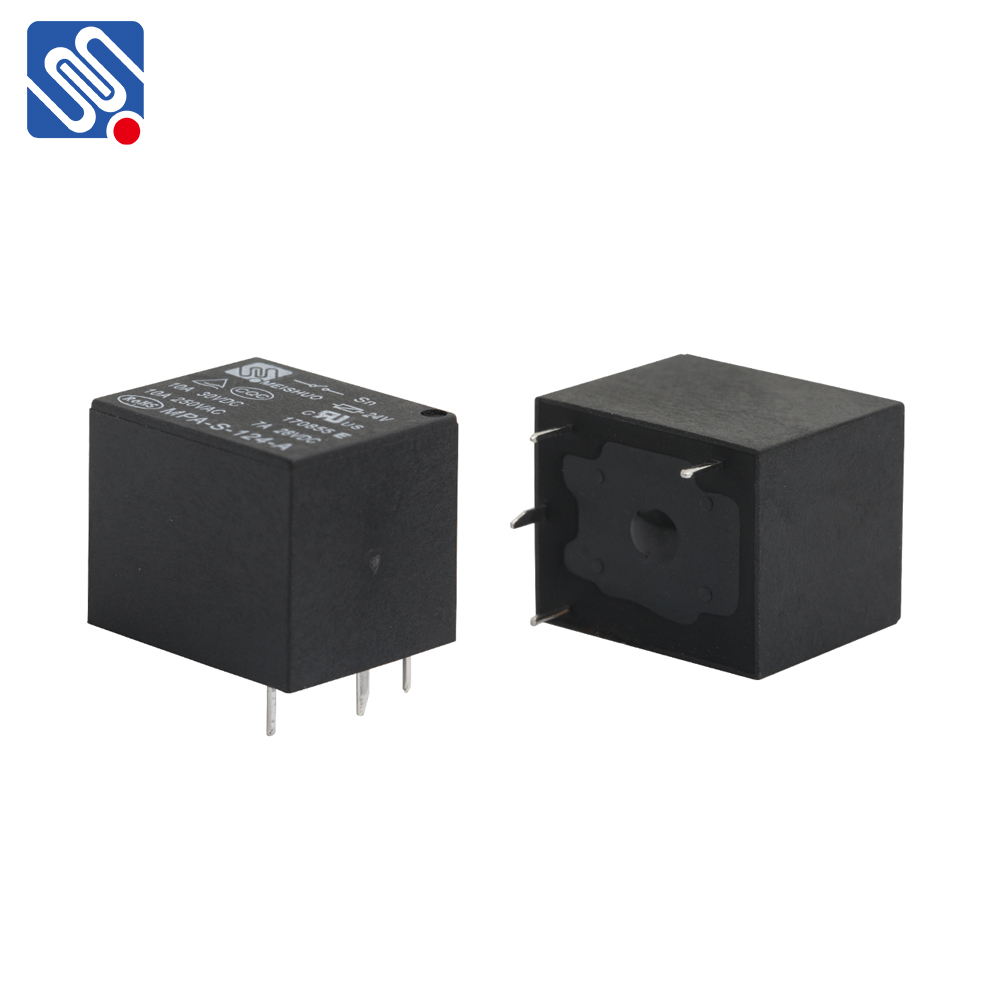
What is a 24V 10A Relay? A 24V 10A relay is an electromechanical switch designed to control high-power circuits using a 24-volt direct current (DC) signal. It consists of an electromagnet (coil), contacts (usually NO—Normally Open, or NC—Normally Closed), and a spring mechanism. When a 24V DC signal is applied to the coil, it generates a magnetic field that moves the contacts to open or close a larger electrical circuit, allowing the relay to control devices that require higher current (up to 10A) than what the control circuit can handle directly. Key Features of the 24V 10A Relay
Rated Voltage: The relay operates at 24V DC, making it compatible with 24-volt electrical systems, often found in industrial, automotive, and automation applications.