The 220VAC power relay is a crucial component in various electrical systems, acting as a switch that is operated by an electromagnetic coil. This device allows for the control of high voltage and high current circuits through low voltage signals, making it invaluable for both industrial and residential applications. Understanding how a 220VAC power relay functions, its main features, and its applications can provide insights into its importance in modern electrical systems.
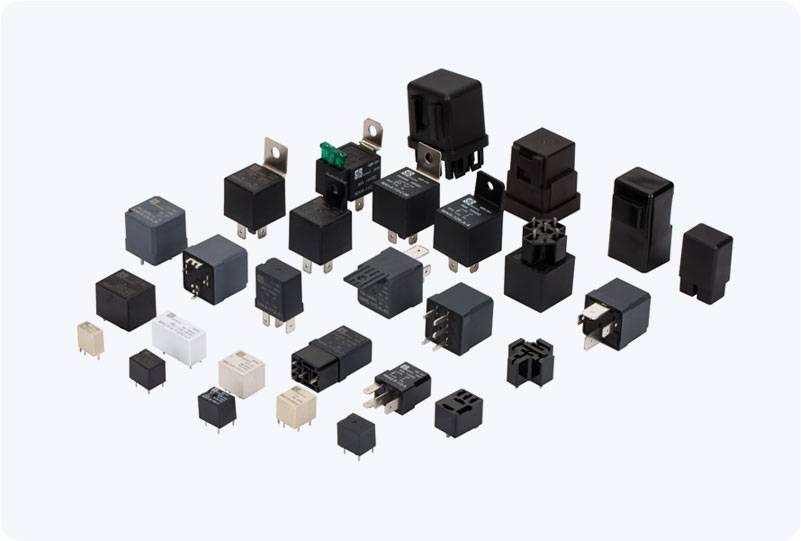
1. Functionality of the 220VAC Power Relay A 220VAC power relay operates mainly on the principle of electromagnetic induction. When a low voltage is applied to the relay’s coil, it generates a magnetic field that activates the mechanical switch within the relay. This switch usually consists of two types of contacts: normally open (NO) and normally closed (NC). Normally Open Contacts: These contacts remain disconnected when the relay is inactive. When the coil is energized, the magnetic field closes the contacts, allowing current to flow through the circuit. Normally Closed Contacts: These contacts are connected when the relay is inactive. When activated, the magnetic field opens these contacts, stopping current flow.