Relays are essential electrical components in a wide range of applications, providing a reliable means of controlling electrical circuits through low-voltage signals. Among the various types of relays, the 220V AC relay is particularly crucial in controlling high-voltage AC (Alternating Current) devices, often used in both industrial and residential environments. In this article, we will explore the working principles, applications, and key considerations when using a 220V AC relay.
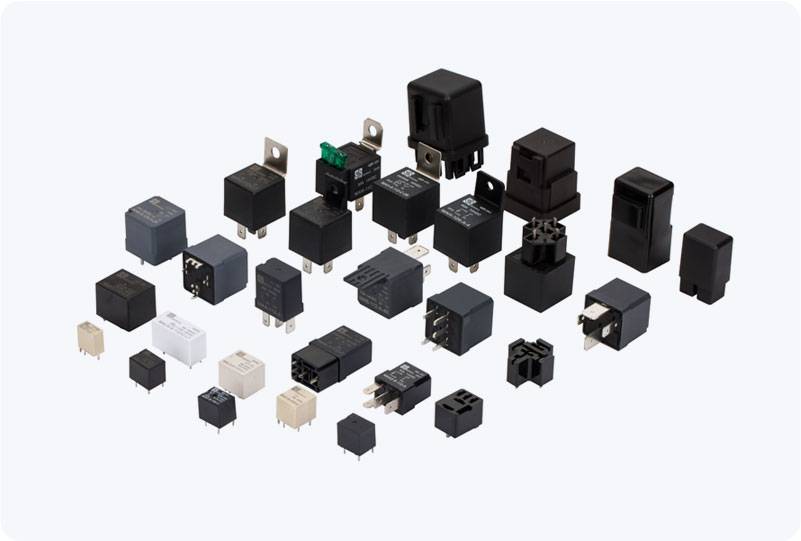
What is a 220V AC Relay? A 220V AC relay is an electromechanical device designed to control a high-voltage AC circuit using a low-voltage DC or AC input signal. It typically consists of a coil, contacts, and an armature. When an electrical current flows through the coil, it generates a magnetic field that moves the armature, which in turn opens or closes the contacts. These contacts are responsible for controlling the high-voltage circuit. While the coil side operates at a low voltage, typically in the range of 5V, 12V, or 24V DC, the contacts are designed to handle much higher voltages—specifically 220V AC. This allows the relay to act as an intermediary between a low-voltage control system and a high-voltage load, providing both safety and convenience.