The 220V 30A relay is an essential component in the realm of electrical engineering, particularly in applications requiring the control of high voltage and high current loads. Widely utilized in both residential and industrial settings, this type of relay serves as a critical interface between low-power control circuits and high-power operations.
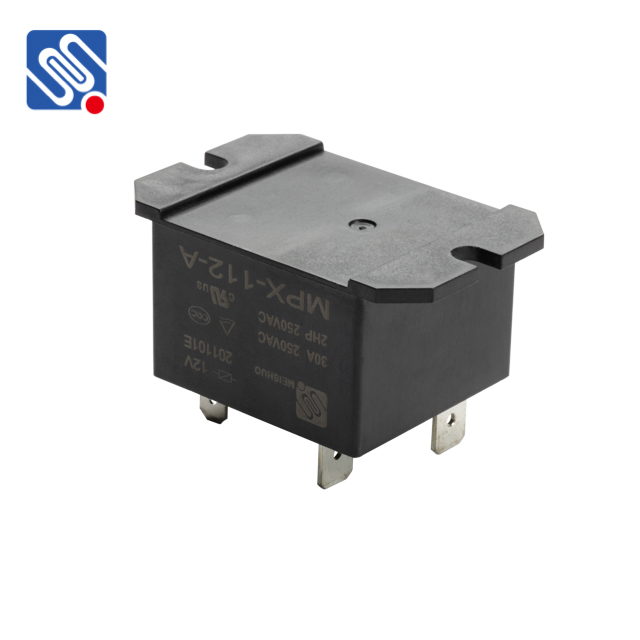
What is a Relay? At its core, a relay is an electrically operated switch that allows a low-power signal to control a high-power circuit. The functioning of a relay is based on electromagnetic principles. When an electric current passes through the relay’s coil, it generates a magnetic field that attracts a movable armature. This movement either opens or closes a set of contacts, thereby controlling the flow of electricity in the circuit. Specifications of the 220V 30A Relay The specifications of the 220V 30A relay indicate that it is suitable for use with 220 volts of alternating current (AC) and can handle loads up to 30 amps. This makes it capable of managing electrical devices with a power requirement of up to 6600 watts (220V x 30A). The relay may come with various contact configurations, such as Single Pole Double Throw (SPDT) or Double Pole Double Throw (DPDT), allowing for a wide range of control options.
Leave a Reply