A 15A Power Relay is a crucial component in various electrical and electronic systems, primarily designed to control high-power circuits with low-power signals. As the name suggests, it is rated to handle up to 15 amps of current, making it suitable for controlling devices or equipment that require significant power. Relays like the 15A Power Relay are widely used in both industrial and consumer applications, offering a reliable solution for managing power in various devices and systems.
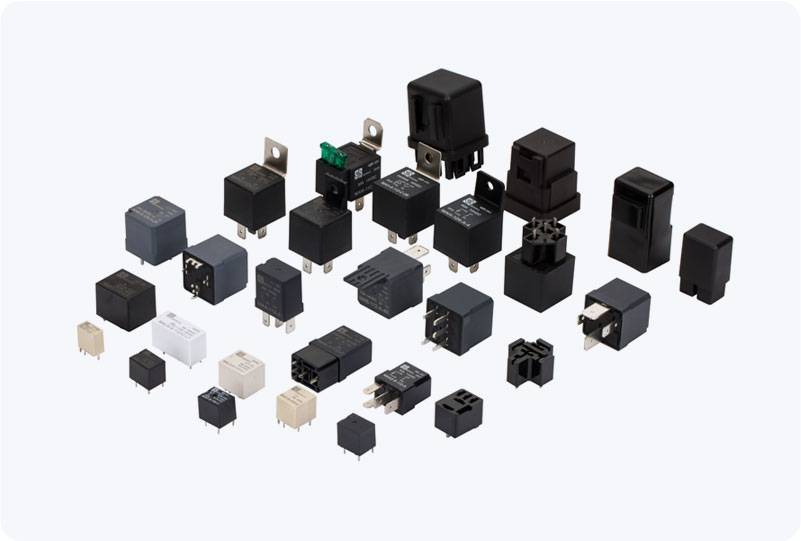
What is a 15A Power Relay? At its core, a 15A Power Relay functions as an electrically operated switch. It allows low-power control circuits to manage high-power electrical devices. The relay consists of a coil, which, when energized, activates a set of contacts that open or close to control the circuit’s flow of electricity. With a rating of 15A, this relay can manage circuits that require substantial current, typically up to 15 amps. The relay features several key components: the coil, a set of contacts, and the armature, which moves when the coil is energized. When the coil is powered, the armature moves to either connect or disconnect the contacts. These contacts are classified as Normally Open (NO), Normally Closed (NC), and Common (COM). In the normally open configuration, the circuit remains off until the relay is activated, whereas the normally closed contacts stay connected until the relay is activated.