A 15A Power Relay is a widely used electromechanical device that plays a crucial role in controlling high-current loads while being operated by low-power control signals. These relays find application in various fields, including home automation, industrial systems, and automotive electronics, where they allow for the safe and efficient switching of electrical circuits. In this article, we will explore the key features, functions, and practical uses of a 15A power relay, shedding light on its importance in everyday technology.
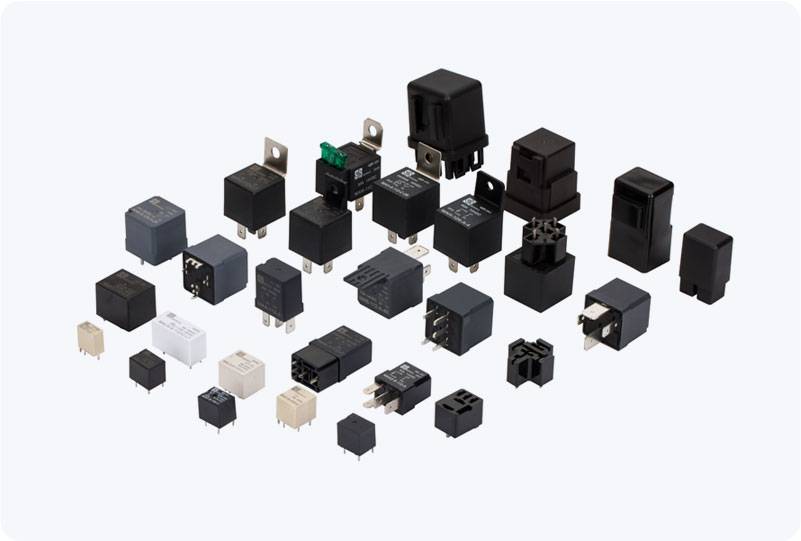
What is a 15A Power Relay? A 15A Power Relay is a type of relay that is designed to handle electrical currents up to 15 amperes. It is typically used to switch high-voltage or high-current circuits with a relatively low-power control signal. The basic principle behind a relay is its ability to use an electromagnet to control the state of electrical contacts, effectively isolating a low-power control circuit from a high-power load. The 15A rating indicates the maximum current the relay can safely switch in an AC or DC circuit. Relays of this kind are often composed of a coil, an armature, and a set of contacts. When an electrical current passes through the coil, it generates a magnetic field that moves the armature. This mechanical movement causes the contacts to either open or close, controlling the flow of electricity in the circuit. The ability to manage a relatively high current with a small control signal makes relays extremely useful in automation and control applications.