In the realm of electrical engineering and automation, relays play a critical role in controlling high-power circuits through low-power signals. Among these, the 15A Power Relay stands out due to its ability to manage significant electrical loads, making it an essential component in various applications. This article delves into the significance, functioning, applications, and selection criteria of the 15A Power Relay.
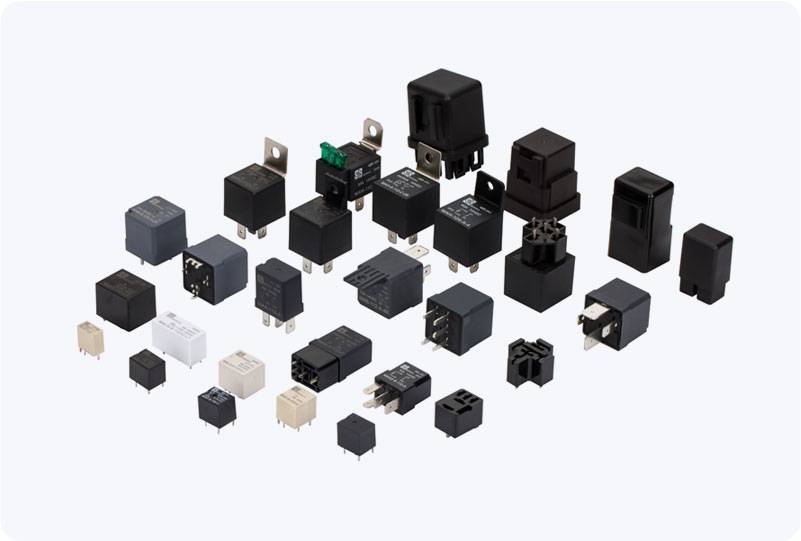
What is a 15A Power Relay? A 15A Power Relay is an electromechanical switch that utilizes electromagnetic induction to open or close circuits. Specifically, it can handle a maximum load current of 15 amperes. The relay consists of a coil, which, when energized, creates a magnetic field that moves an armature. This armature is connected to one or more sets of contacts, which control the circuit’s operation. The relay can be designed with normally open (NO) or normally closed (NC) contacts, based on the application requirements. Working Principle The fundamental principle of operation for a 15A Power Relay is relatively straightforward. When a low-power electrical signal is applied to the coil, it energizes the relay. This action generates a magnetic field that attracts the armature, causing the contacts to either close or open, depending on their configuration. This mechanism allows a low-voltage circuit to control a high-voltage or high-current load safely and efficiently.