The 15A power relay is a crucial device used extensively in various electrical and electronic systems for controlling high voltage and current applications. By acting as an intermediary switch, a relay facilitates the operation of large loads with a relatively low input voltage. Understanding the intricacies of a 15A power relay, including its design, functionality, application, and installation, is vital for anyone involved in electrical engineering or related fields.
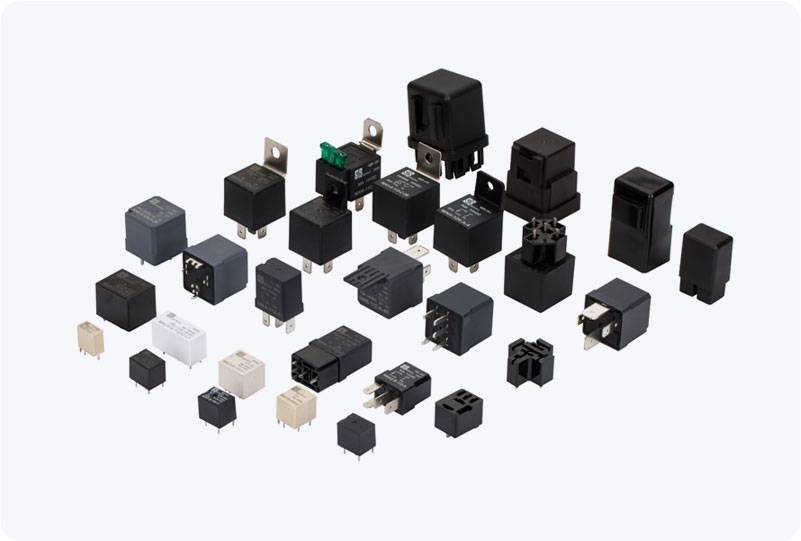
What is a 15A Power Relay? A 15A power relay is an electromechanical switch that opens and closes circuits electromechanically or electronically. It is designed to handle a maximum current of 15 amperes and typically operates at voltages such as 120V or 240V. The relay consists of an electromagnetic coil and a set of contacts, which work together to control the electrical power flow in a circuit. Working Principle The core operation of a 15A power relay relies on the principle of electromagnetism. When an electric current passes through the coil of the relay, it generates a magnetic field that pulls a movable contact toward itself. This action closes the circuit, thereby allowing current to flow through the load connected to the relay. When the current to the coil is interrupted, the magnetic field collapses, and a spring returns the contact to its original position, opening the circuit and stopping the current flow.