A 12V relay is a critical component in both everyday and specialized electronic circuits. This electro-mechanical device serves as a switch that allows a low-voltage signal to control a higher-voltage circuit, making it essential in a wide array of applications. Whether in automotive systems, home automation, or industrial control systems, the 12V relay is integral to simplifying electrical tasks while providing safety and efficiency. This article explores the working principles, types, and practical applications of 12V relays, highlighting their importance in modern electronics.
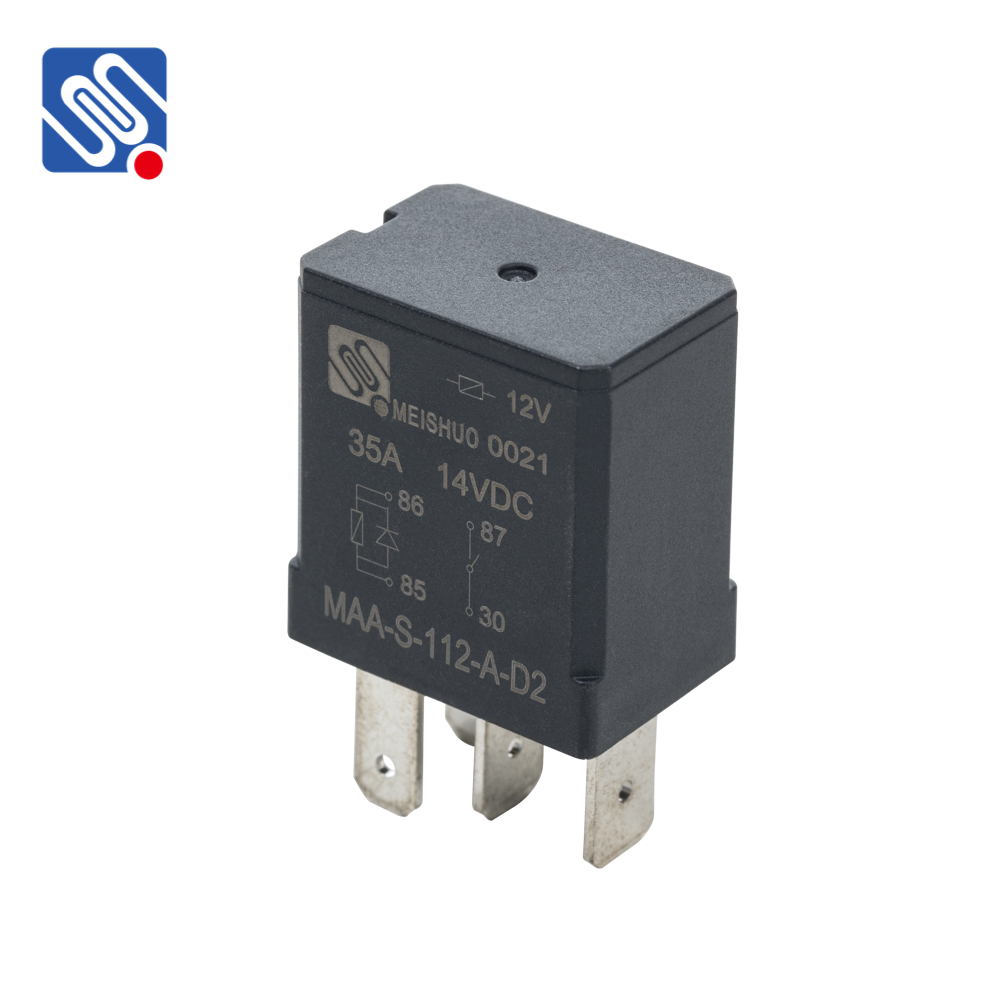
Working Principles of a 12V Relay At its core, a 12V relay operates based on the principle of electromagnetic induction. The device consists of a coil, which, when energized with a 12V DC signal, generates a magnetic field. This magnetic field activates an armature (a movable metal part), which in turn opens or closes a set of contacts, thereby completing or breaking an electrical circuit. The relay’s main job is to control a high-power circuit with a low-power signal. It achieves this by using the 12V DC input to control an electromagnetic coil that acts as a switch. The coil’s magnetic field pulls a lever or armature that either connects or disconnects contacts, enabling or disabling the flow of electricity to a larger, higher-powered device. The 12V relay typically includes several types of contacts such as Normally Open (NO) and Normally Closed (NC) to meet the needs of different circuits.