The 12V automotive relay is a crucial component in modern vehicle electrical systems. It plays a vital role in controlling high-power devices, ensuring that the car’s various electrical functions work efficiently and safely. In this article, we will explore the purpose, structure, and applications of 12V automotive relays, as well as how to select the right one for your vehicle.
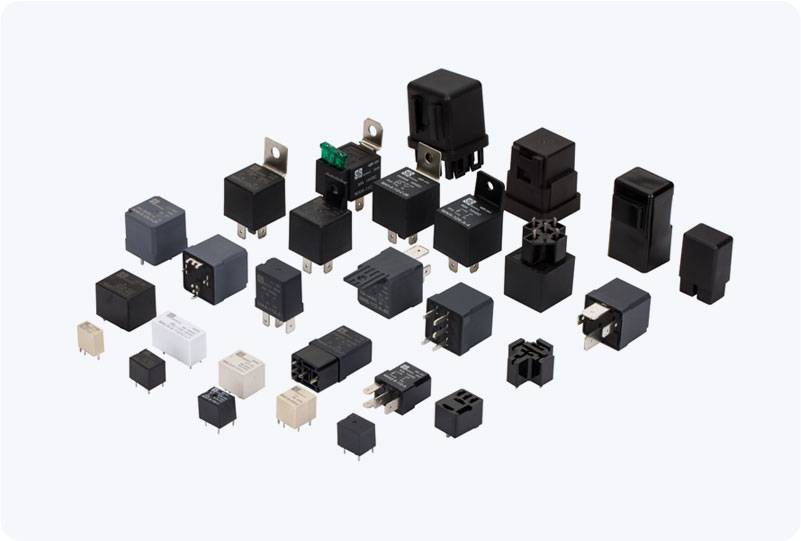
What is a 12V Automotive Relay? A 12V automotive relay is an electrically operated switch that allows a low-current control circuit to control high-current devices within a vehicle’s electrical system. The primary function of a relay is to enable the control of high-power components, such as lights, motors, and fans, using low-power signals, typically from a car’s onboard computer, switches, or other control modules. How Does a 12V Automotive Relay Work? At its core, a 12V automotive relay consists of an electromagnet (the coil), a set of contacts, and a spring mechanism. When current flows through the coil, it generates a magnetic field that pulls a movable armature, which in turn closes or opens the relay’s contacts. This allows power to flow to or from high-current devices.