A 12V 100A relay is an essential electrical component widely used in various high-power applications. This type of relay is designed to control large electrical loads while being powered by a low-voltage DC source, typically 12V. With its ability to switch high currents, a 12V 100A relay serves as an indispensable part of systems ranging from automotive to industrial and renewable energy systems. In this article, we will delve into the key features, uses, and advantages of a 12V 100A relay, highlighting why it’s a popular choice in high-power switching.
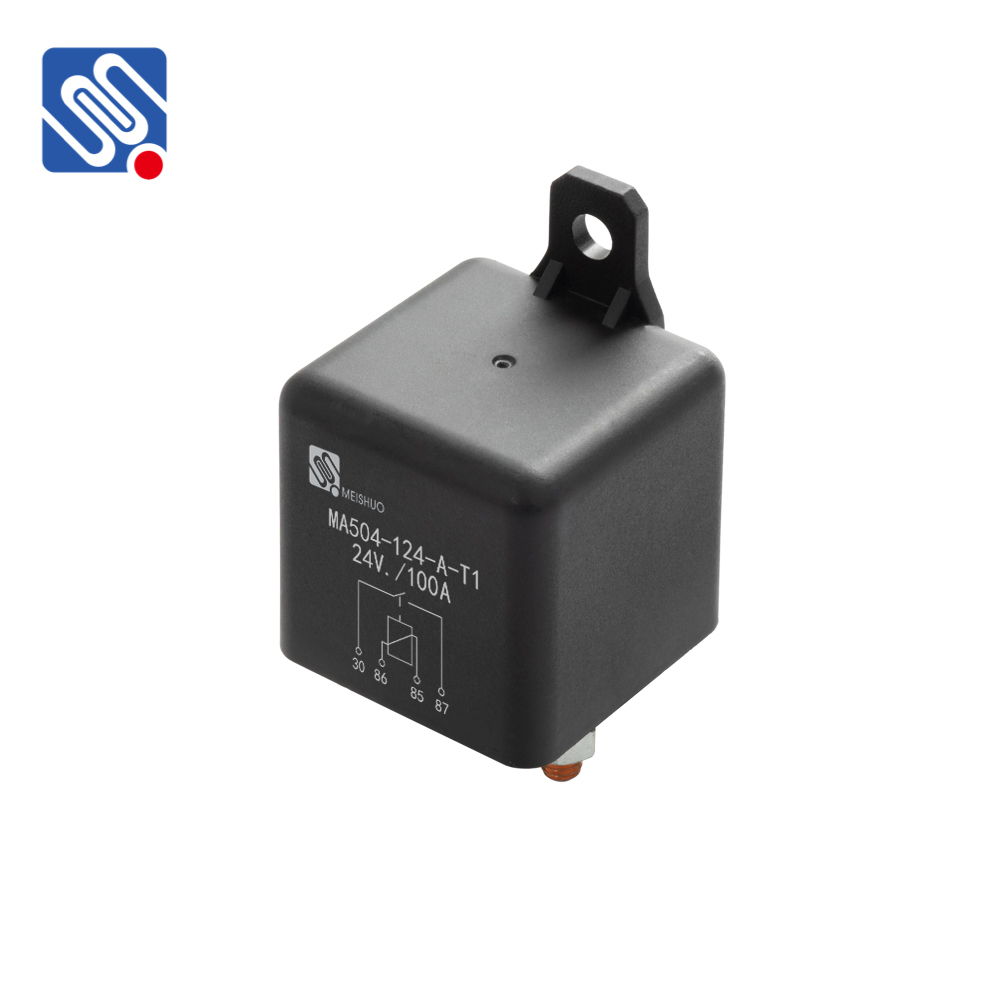
Key Features of a 12V 100A Relay The 12V 100A relay is designed to handle high-power circuits while operating at a relatively low control voltage. Here are the primary features of this relay:
Voltage Rating and Control Mechanism: A 12V relay typically operates with a coil voltage of 12V DC. The coil is energized using a low-voltage DC signal, which triggers the relay to close or open the contacts. This allows control over much higher voltages or currents, even in automotive or industrial systems. High Current Rating: The key characteristic of the 12V 100A relay is its ability to carry a current of up to 100 amperes. This makes it suitable for controlling high-power devices and circuits, such as large motors, high-wattage lights, and industrial machines that require substantial current flows.