A 12 volt relay is a crucial electronic component used to control electrical circuits by utilizing a low-voltage signal to switch high-power devices. It is widely used in automotive, industrial, and consumer electronics applications, providing an efficient and reliable way to manage high-current loads while keeping the control system isolated from those high-power circuits. This article will explore the function of a 12 volt relay, its various applications, and the advantages it offers in different systems.
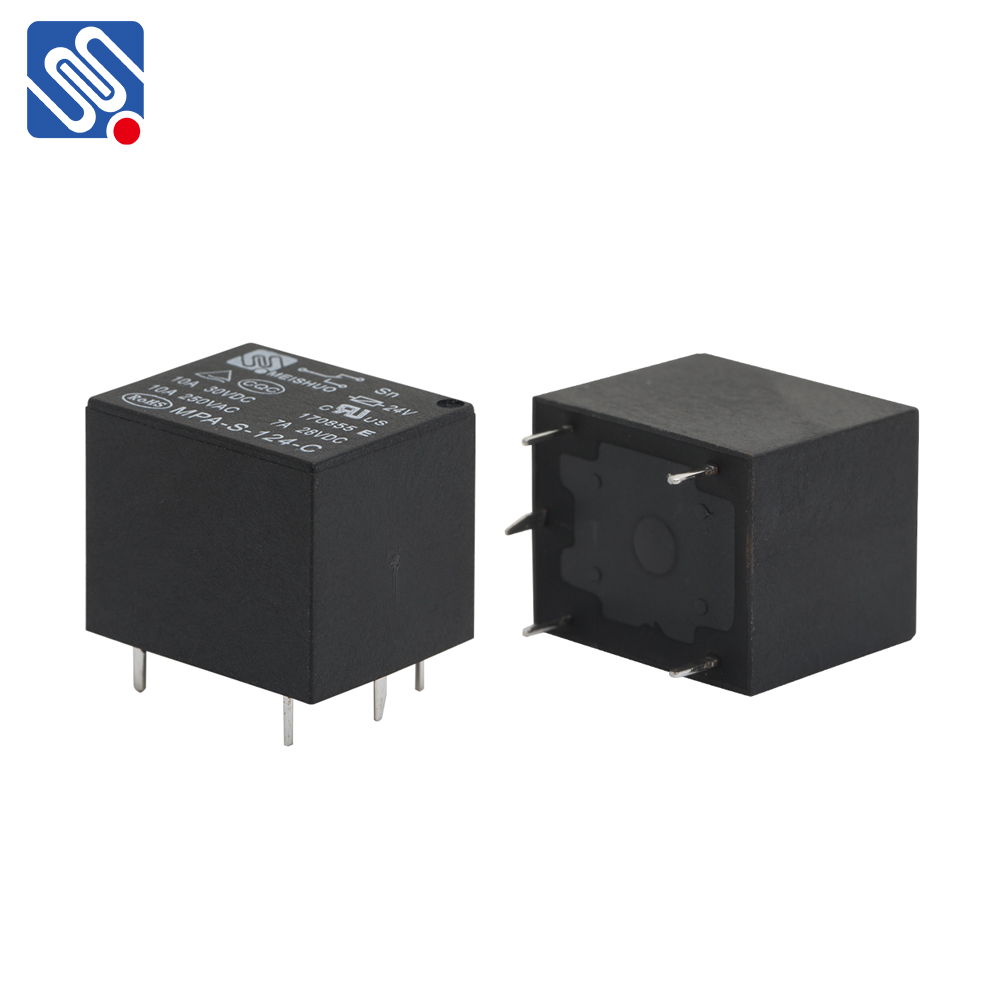
What is a 12 Volt Relay? A 12 volt relay is an electromagnetic switch that is activated by a 12V direct current (DC) signal. When the 12V voltage is applied to the relay’s coil, it creates a magnetic field that moves an internal switch, which opens or closes a set of contacts. The key benefit of this mechanism is that it allows low-voltage circuits (like a microcontroller or automotive control system) to control high-voltage, high-current circuits without directly interacting with the high-power components. Relays come in various configurations, with a typical 12V relay containing several terminals. These include the coil terminals (for applying the control voltage) and the contact terminals, which are typically configured as normally open (NO) or normally closed (NC) contacts. When the relay is energized, the NO contacts close, and the NC contacts open, allowing the relay to either complete or break an electrical circuit depending on the application.