A Temperature Control Relay is a crucial device in various industries, ensuring the safe and efficient operation of temperature-sensitive systems. Whether it’s a household appliance, industrial machinery, or laboratory equipment, temperature control plays a key role in preventing overheating or freezing. This article explores the function, applications, and essential factors to consider when selecting a Temperature Control Relay for different uses.
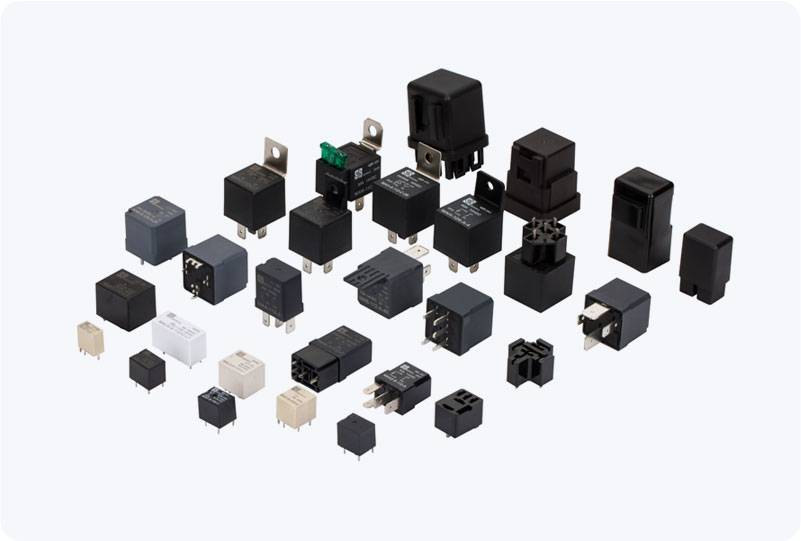
What is a Temperature Control Relay? A Temperature Control Relay (TCR) is a type of relay that regulates temperature within a specified range. It monitors the temperature of an environment or a device and switches on or off an associated heating or cooling system to maintain the temperature at a preset level. The relay uses a temperature sensor (such as a thermistor or thermocouple) to detect changes in temperature and subsequently activate the relay to control the connected system. Function of a Temperature Control Relay At the core of a Temperature Control Relay is its ability to maintain temperature stability. By monitoring the temperature of the system or environment it is installed in, the relay ensures that the device stays within an acceptable temperature range. When the temperature exceeds or falls below the set limit, the relay triggers the operation of heating or cooling devices.