Switch relays are crucial components in many electrical control systems, offering a way to remotely control higher-power circuits using lower-power control signals. These devices are employed in numerous applications, ranging from automation and telecommunications to home appliances and industrial machinery. In this article, we will explore the functionality, types, and practical applications of switch relays, providing a comprehensive understanding of their significance in modern electronics.
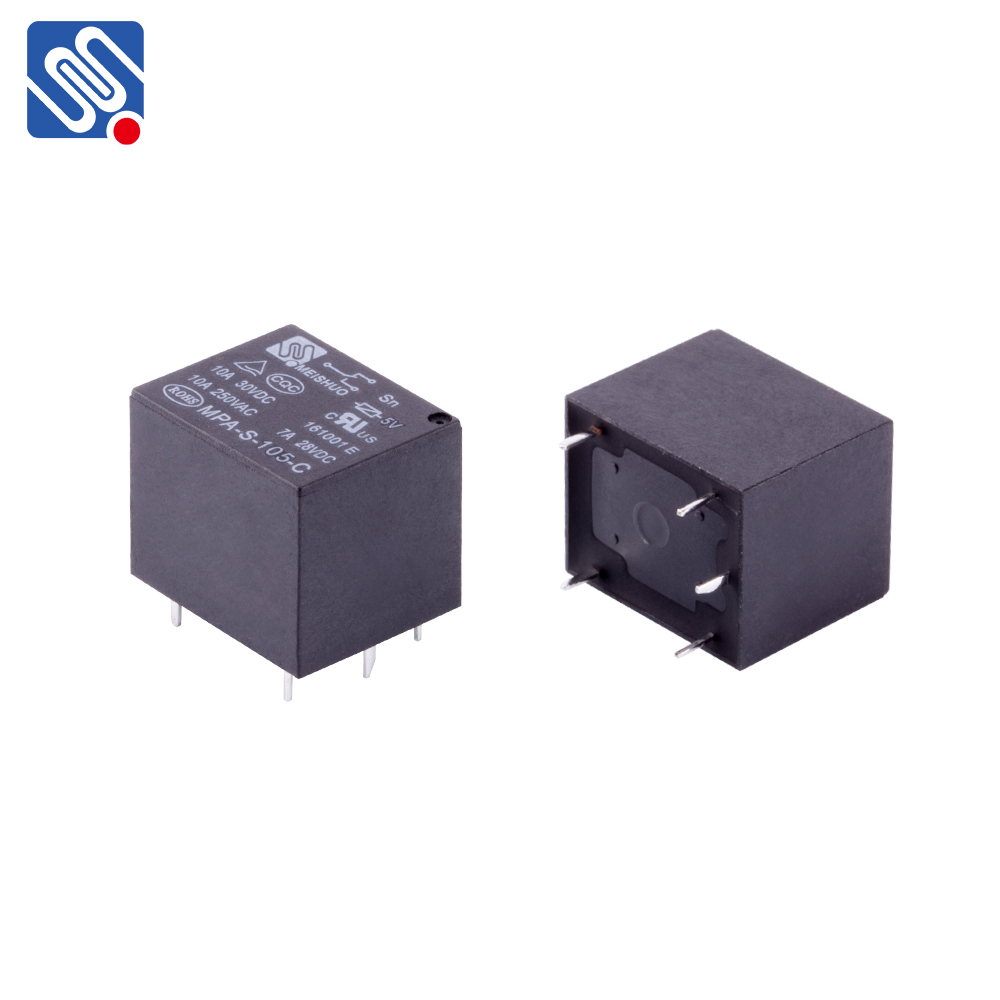
What is a Switch Relay? A switch relay is an electrically operated switch that uses an electromagnet to control the opening or closing of its contacts. These relays allow a low-power electrical signal to control a larger, high-power circuit, acting as an intermediary to transmit or block electrical flow. The relay consists of a coil (electromagnet) and a set of contacts, typically including one or more movable contacts that open or close in response to the coil’s activation. When a current flows through the coil, it generates a magnetic field, causing the contacts to change state. How Does a Switch Relay Work?
Leave a Reply