A Solid State Relay (SSR) is a modern electronic component used to switch electrical loads on and off without any mechanical parts. Unlike traditional electromagnetic relays, which use moving contacts to control a circuit, SSRs use semiconductor devices like transistors, triacs, or thyristors to perform the switching. This makes SSRs an important development in the field of electrical and electronic control, offering significant advantages over their mechanical counterparts.
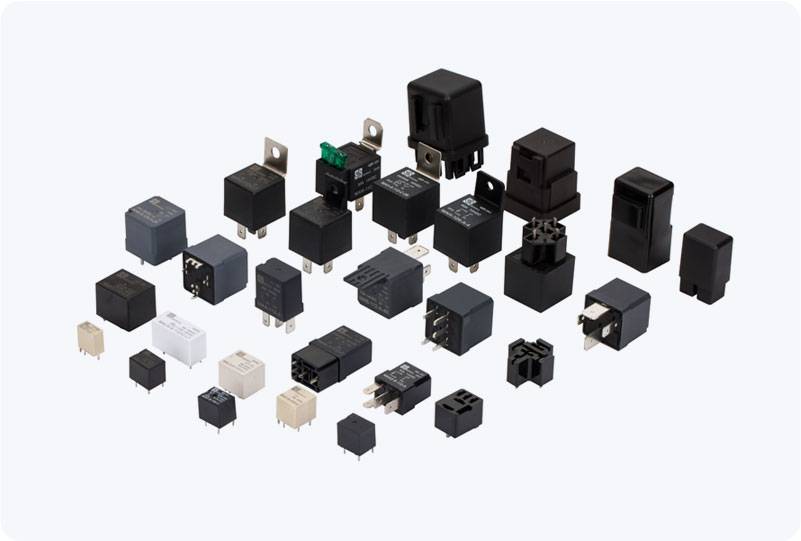
What is a Solid State Relay (SSR)? A Solid State Relay is an electronic switch that controls the flow of current in a circuit through semiconductor devices instead of mechanical contacts. These devices are activated by a small control signal (usually a DC voltage) that triggers the relay’s internal components, which then control larger AC or DC loads. SSRs are widely used in various applications where reliability, speed, and durability are critical. Working Principle The operation of an SSR is based on the principle of solid-state electronics. When the input signal (typically low voltage DC) is applied to the SSR, it activates an internal light-emitting diode (LED) or a phototransistor that drives the semiconductor switch. The semiconductor device, such as a triac or thyristor, then either conducts or blocks the current to the load. The device remains in its ON or OFF state until the control signal is altered. Unlike mechanical relays, there are no physical contacts to wear out, which makes SSRs more durable and longer-lasting.