In the evolving world of electrical and electronic systems, technology has consistently aimed at improving reliability, efficiency, and speed. One such innovation that has made significant strides in recent years is the Solid State Relay (SSR). Unlike traditional electromagnetic relays that utilize moving parts to control electrical circuits, SSRs leverage semiconductor technology, offering distinct advantages that cater to modern applications.
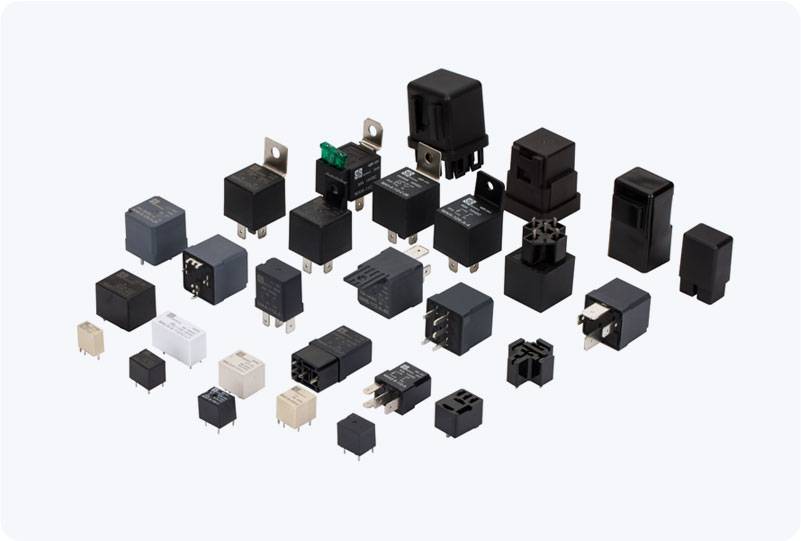
What is a Solid State Relay (SSR)? A Solid State Relay (SSR) is an electronic switching device that controls the flow of electrical power using semiconductor components, such as transistors and thyristors. The SSR operates without moving parts, relying instead on the principles of electronics to turn circuits on and off. When an input control signal is applied, the SSR activates, allowing current to flow through the output circuit. Key Components The basic structure of an SSR comprises three major components: Input Circuit: This section receives the control signal, typically a low-power input, usually in the form of DC voltage. The input signal energizes the control side of the SSR.
Leave a Reply