In the realm of electronic switching technology, the Solid State Relay (SSR) stands out as a pivotal innovation that has transformed various industrial and household applications. Unlike traditional electromechanical relays that rely on moving parts, SSRs function through semiconductor devices, offering significant advantages in terms of performance, reliability, and longevity. This article delves into the fundamental principles, benefits, limitations, and applications of Solid State Relays, providing a thorough understanding of their role in modern electrical systems.
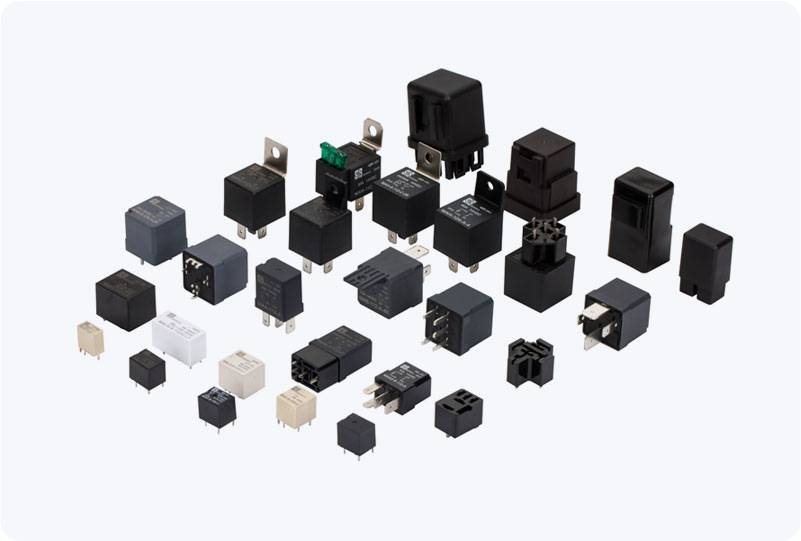
What is a Solid State Relay (SSR)? A Solid State Relay is an electronic switching device that allows current to flow through an output circuit when a specified input signal is applied. The operation of an SSR is based on solid state devices such as transistors, thyristors, or optoisolators. The basic configuration of an SSR includes two primary components: the input (control) side and the output (load) side. When a control voltage is applied to the input side, it activates a semiconductor device that switches the load on or off, delivering or interrupting power to the electrical circuit. Importantly, SSRs do not rely on mechanical contacts but instead utilize the intrinsic properties of semiconductor materials to achieve the desired switching action.