In the modern industrial landscape, safety is a paramount concern. Ensuring that workers are protected from harm while maintaining operational efficiency is a delicate balance that requires reliable systems. One such system is the Siemens Safety Relay, a key component designed to safeguard both personnel and equipment in various industrial applications. This article aims to explore the function, features, and applications of Siemens Safety Relays, highlighting their critical role in enhancing industrial safety.
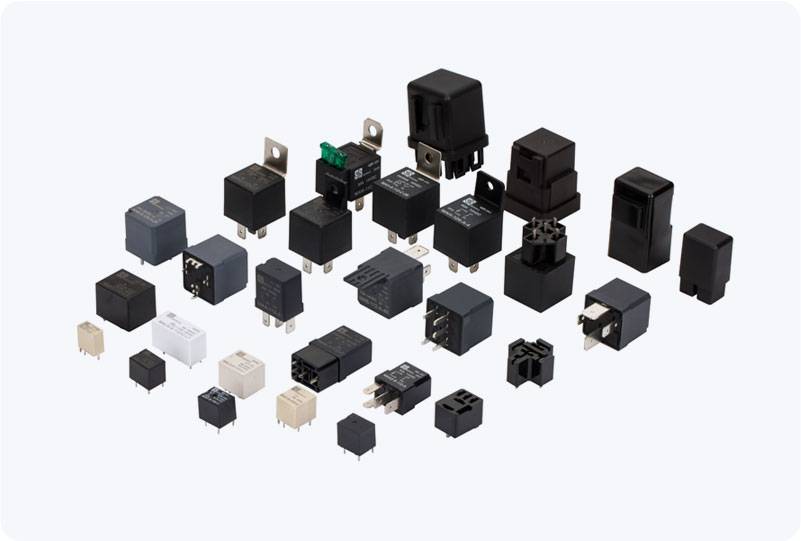
What is Siemens Safety Relay? Siemens Safety Relays are specialized devices used in automation systems to monitor and control the safety functions of machinery and processes. These relays are designed to respond to safety-related events, such as the activation of emergency stop buttons, safety door switches, or other critical safety signals. When a potential hazard is detected, the safety relay immediately takes action to deactivate or isolate the affected equipment, ensuring that workers and machines are protected from any danger. Key Features of Siemens Safety Relay Safety Standards Compliance: Siemens Safety Relays are built to meet international safety standards, such as ISO 13849-1, IEC 61508, and EN 62061. These standards specify the required performance levels and reliability for safety-related systems. By adhering to these regulations, Siemens relays provide a high level of safety assurance, making them suitable for various industrial sectors, including manufacturing, robotics, and material handling.