Safety is a critical aspect of industrial processes, especially in environments where human lives, environmental protection, and the integrity of the equipment are at stake. One of the most important components in ensuring safety in such systems is the Safety Relay, particularly those that meet SIL 3 (Safety Integrity Level 3) standards. SIL 3 safety relays are designed to provide high-level protection against hazards, ensuring that the system continues to operate safely even if certain components fail. In this article, we will explore the role of Safety Relay SIL 3 in industrial safety, its key characteristics, applications, and the standards it must meet.
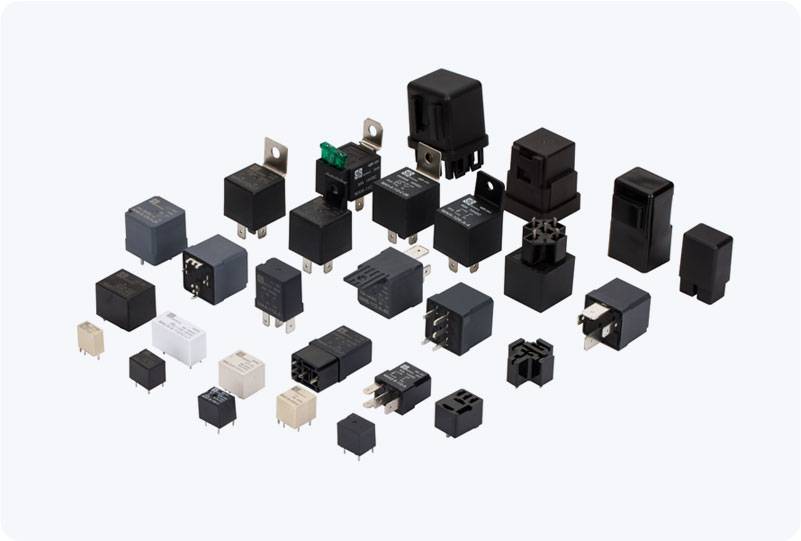
What is a Safety Relay SIL 3? A Safety Relay SIL 3 is a specialized relay used in industrial safety systems to prevent hazards in case of equipment failure. The SIL classification, defined by the IEC 61508 and IEC 61511 standards, indicates the reliability and safety level of a safety system. SIL 3 is one of the highest safety integrity levels, meaning that the system has a very low probability of failure. In SIL 3 systems, the failure rate must be low enough that the system is deemed safe to operate under extreme conditions and in critical applications. The main purpose of a safety relay is to ensure that critical safety functions are maintained even when a fault occurs in one of the components. Safety relay systems can monitor various inputs, like pressure, temperature, or position, and act in a manner that triggers emergency shutdowns or prevents unsafe operation. This is crucial in industries like oil and gas, chemicals, pharmaceuticals, nuclear power, and manufacturing, where equipment failure or human error could result in catastrophic outcomes.