Safety is a paramount concern in industrial automation, where human life, equipment, and environmental factors can be at risk. In such environments, the reliability and integrity of safety systems are critical. Among the many safety devices used to protect workers and ensure proper functioning of industrial processes, Safety Relays SIL 3 play a vital role. These relays are designed to meet the stringent safety requirements set out by international standards, making them an essential part of safety-critical applications.
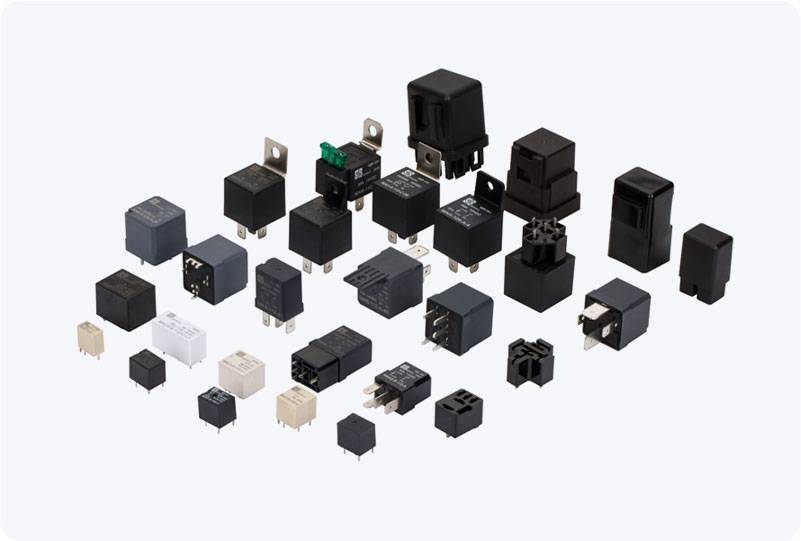
What is a Safety Relay SIL 3? A Safety Relay is an electromechanical device used in industrial control systems to monitor and ensure the safe operation of machines and equipment. Safety relays work by controlling safety functions, such as emergency stops, protection doors, light curtains, or other safety mechanisms, to minimize the risk of accidents. The term “SIL 3” refers to the Safety Integrity Level 3, which is defined by the international safety standard IEC 61508. SIL 3 represents a high level of safety, indicating that the safety relay is designed to reduce the risk of hazardous events with a probability of failure that is extremely low. SIL levels range from 1 to 4, with SIL 3 requiring the most stringent design and performance criteria.