In modern industrial environments, safety remains a paramount concern. As machines and automated systems become increasingly complex, the need for efficient and reliable safety mechanisms has grown significantly. One such critical component in ensuring operational safety is the Safety Relay. This article explores the concept of Safety Relays, their functionalities, applications, and why they are essential in today’s industrial landscape.
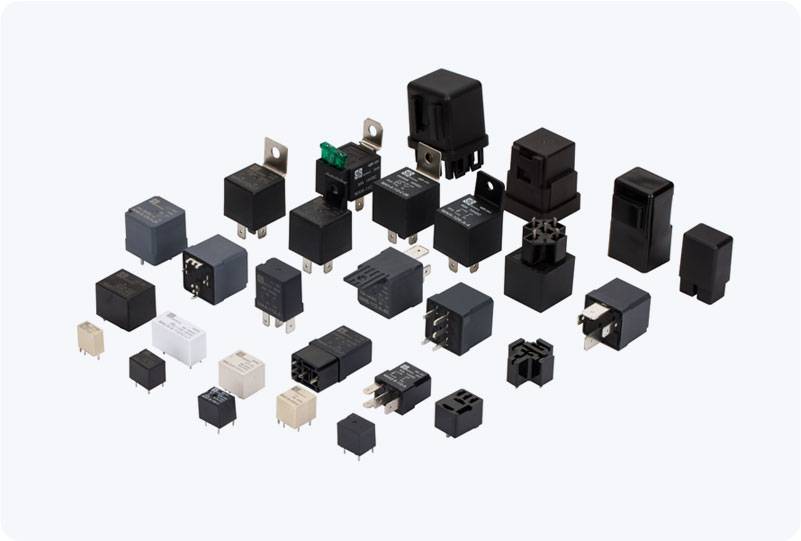
What is a Safety Relay? A Safety Relay is an electromechanical component designed specifically for the purpose of providing a safe operational environment for machinery and equipment. Unlike standard relays, which control basic electrical signals, Safety Relays have specialized features that monitor safety devices and ensure that machines operate within designated safety parameters. These relays are primarily employed to monitor critical safety inputs, such as emergency stop buttons, safety gates, and light curtains. Key Functionalities of Safety Relays Safety Monitoring: Safety Relays continuously monitor the condition and status of connected safety devices. If a safety input is triggered—for example, if an operator presses an emergency stop button—the Safety Relay reacts promptly by cutting off power to the machinery, thereby minimizing the risk of injury.