In today’s industrial environment, ensuring worker safety is paramount. One of the critical elements in maintaining a safe working atmosphere is the implementation of a Lockout/Tagout (LOTO) program. Central to this strategy are safety lockout padlocks, which play an essential role in protecting employees during maintenance and servicing operations. This article delves into the significance, features, applications, and benefits of safety lockout padlocks, illustrating their indispensable role in occupational safety.
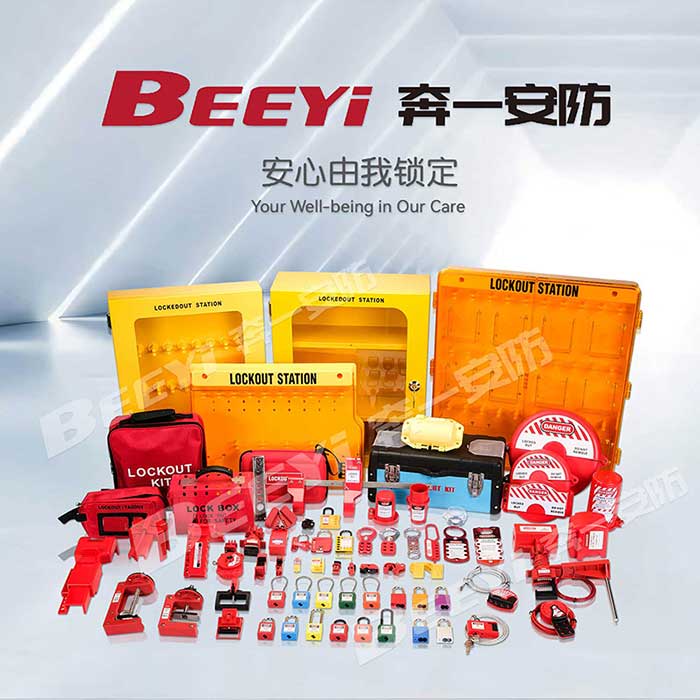
The Importance of Safety Lockout Padlocks Safety lockout padlocks are designed to prevent the accidental or unauthorized energization of machinery and equipment during maintenance or repair work. When technicians or maintenance personnel work on machinery, it’s crucial that the equipment remains in a safe, non-operational state. A safety lockout padlock physically locks the power source of the machine, ensuring that no one can accidentally turn it on while someone is working on it. The primary purpose of these padlocks is to enhance workplace safety by minimizing the risks associated with machinery operation during maintenance activities. Accidents caused by unexpected machine activation can lead to severe injuries and even fatalities. Therefore, the implementation of safety lockout padlocks is vital in safeguarding employees against such hazards.