The Reverse Osmosis (RO) system is widely used for water purification, particularly for applications requiring high-quality water such as drinking water, industrial processes, and wastewater treatment. One of the critical components in an RO system is the RO solenoid valve, which plays an essential role in controlling the water flow within the system. This article explores the importance, working principle, features, and applications of the RO solenoid valve.
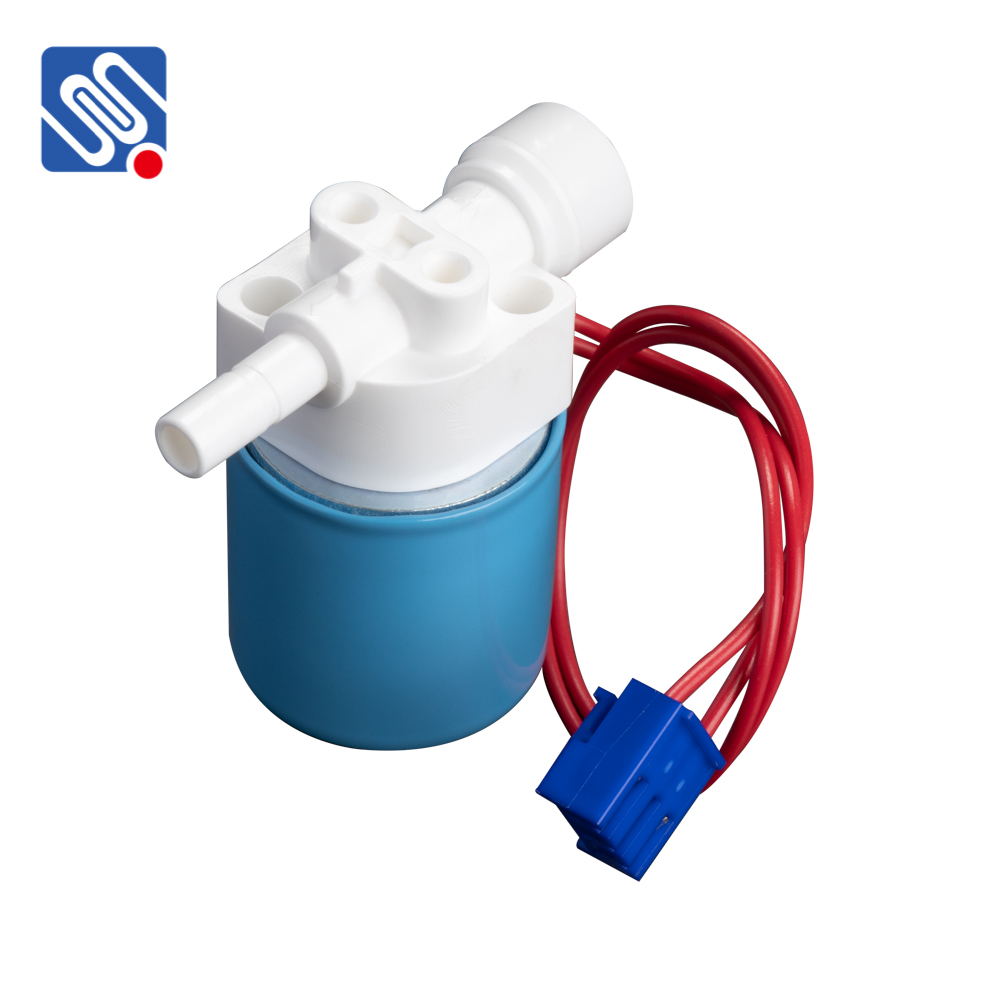
What is an RO Solenoid Valve? An RO solenoid valve is an electrically controlled valve used to regulate the flow of water within the reverse osmosis filtration system. It operates based on electromagnetic principles, where an electric current energizes a coil to generate a magnetic field, moving the valve’s internal mechanism. This movement allows or restricts water flow, depending on the desired function—whether it’s letting water in, pushing water out, or preventing backflow. Working Principle of RO Solenoid Valve The core working principle of the RO solenoid valve is relatively simple yet highly effective. When an electric current passes through the solenoid coil, it generates a magnetic field, which pulls or pushes a plunger or diaphragm inside the valve. In the case of a normally open valve, when the solenoid is energized, it closes the valve, stopping the water flow. Conversely, when de-energized, the valve opens and allows water to pass through. This electromagnetic action ensures that the water flow can be precisely controlled based on the needs of the reverse osmosis system.