Relays are fundamental components in electrical and electronic systems, enabling low-power circuits to control high-power loads. Their use spans a wide variety of applications, from automotive systems to home appliances and industrial automation. However, the proper wiring and understanding of relay connections are essential for ensuring that relays function as intended and do not cause electrical failures. This article provides a detailed overview of relay wiring, focusing on how to properly connect relays, different types of relays, and best practices for safe and efficient use.
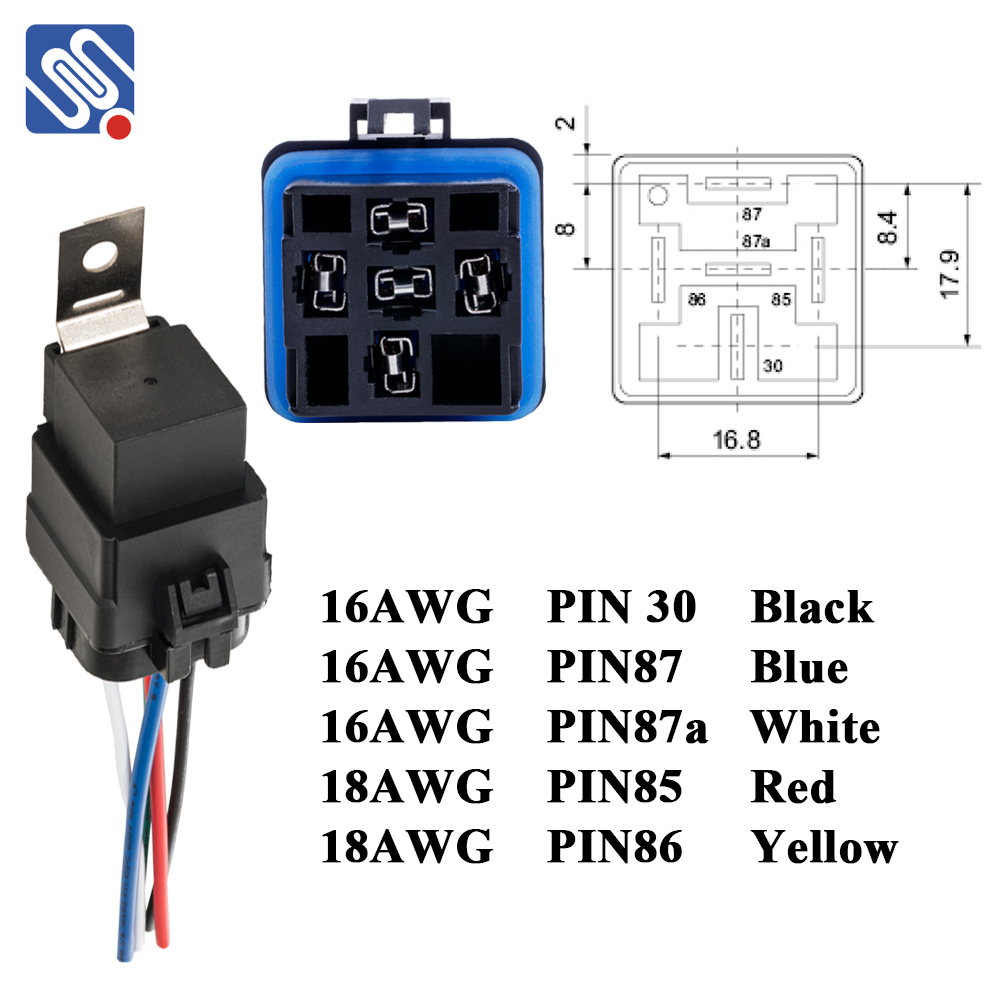
What is a Relay? A relay is an electromechanical switch that opens or closes a circuit based on an electrical signal. It typically consists of a coil, which generates a magnetic field when energized, and one or more sets of contacts that open or close in response to the magnetic field. Relays can control circuits that operate at different voltages and currents from the control signal. This feature makes them invaluable for automating processes and providing isolation between control circuits and load circuits. Basic Components of a Relay To understand relay wiring, it’s important to first familiarize yourself with the basic components of a relay. A typical relay has the following parts: