Relays are essential components in electrical and automation systems, allowing users to control high-voltage or high-current circuits with a low-voltage signal. These electromagnetic switches are used across various applications, from industrial control panels to home automation systems. In this article, we will dive deep into the fundamentals of relay wiring, providing an overview of relay types, wiring principles, and practical steps for effective use.
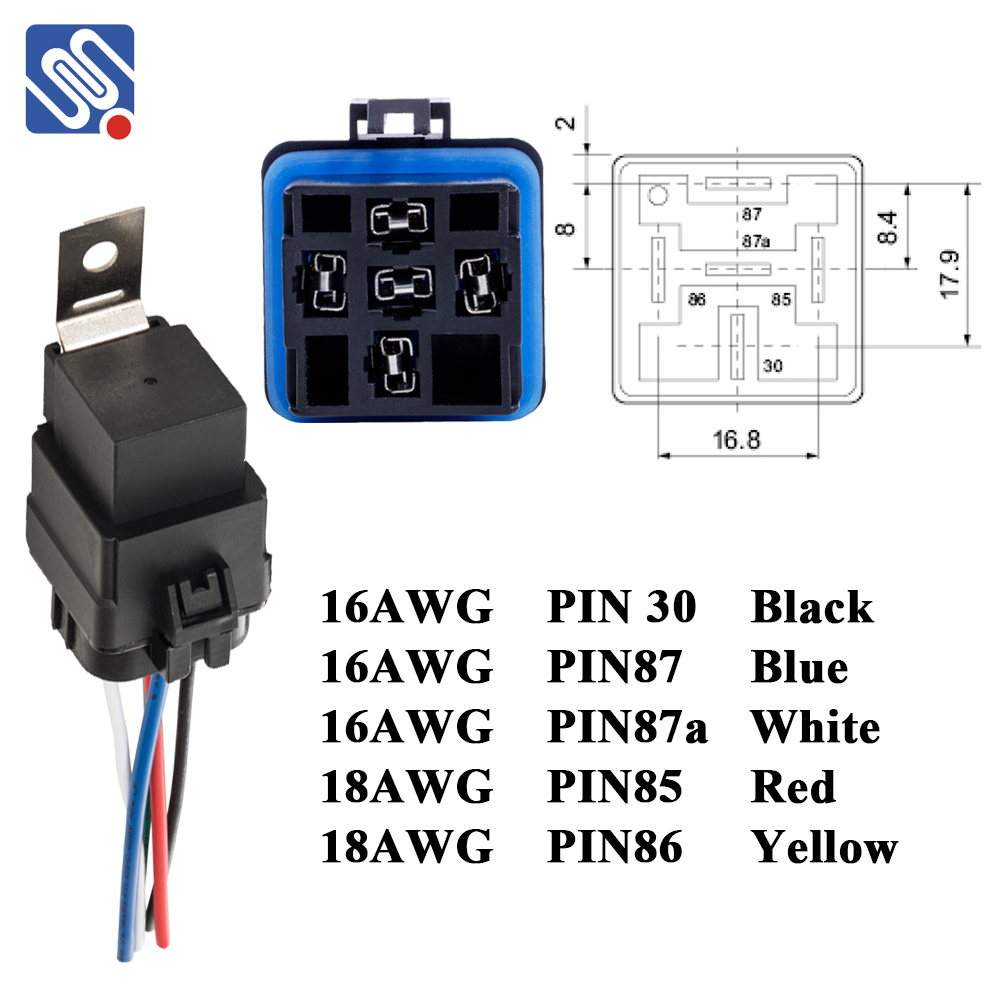
What Is a Relay and How Does It Work? A relay is an electrically operated switch. It consists of an electromagnet (coil), a set of contacts, and a spring. When an electrical current flows through the coil, it generates a magnetic field that activates the relay’s contacts. These contacts can either open or close, depending on the relay’s configuration. The ability of relays to control high-power circuits with low-power signals is what makes them so valuable in automation and control systems. The main components of a relay include: Coil: The electromagnet that controls the switching mechanism when powered.