Relay voltage is a crucial concept when working with electrical and electronic systems. It refers to the voltage required to energize the relay’s coil, enabling it to switch its contacts and control a higher-power circuit. Understanding relay voltage is essential for selecting the right relay for specific applications, ensuring the system operates efficiently and reliably. This article will explore the importance of relay voltage, its types, and the factors that influence its selection.
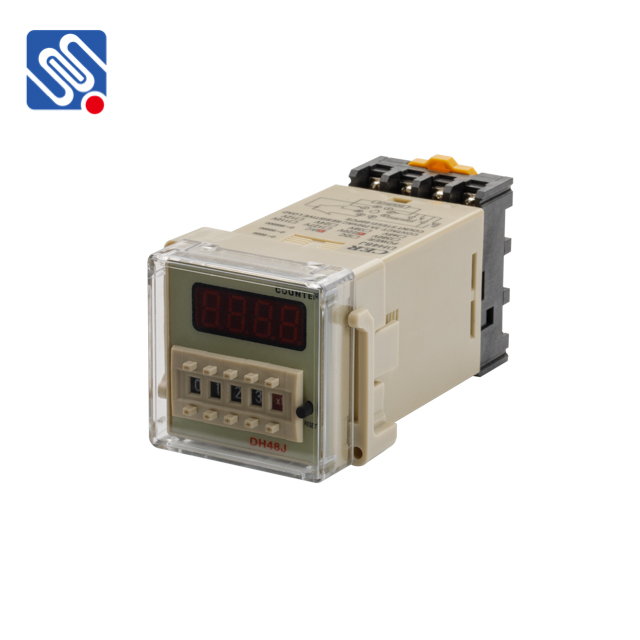
What is Relay Voltage? Relay voltage, specifically coil voltage, is the electrical potential difference applied to the coil of a relay to activate it. When a relay’s coil is energized, it generates a magnetic field that moves the relay’s armature, which, in turn, opens or closes the contacts of the relay. This allows it to control the flow of electrical current to a different circuit, typically one with a higher voltage or power rating. Relays can be classified based on their voltage rating. The two most common types of relay voltage are DC (direct current) and AC (alternating current). The type of voltage needed for the coil will depend on the specific design of the relay and the application requirements. Common coil voltages include 5V DC, 12V DC, 24V DC, and 120V AC, but they can vary widely depending on the application.