Relays are fundamental components in electrical systems, acting as electrically operated switches that control a circuit through a low-power signal. They play a crucial role in automating various tasks in electrical engineering, from basic on-off switches to complex time delays and overload protection systems. There are different types of relays designed for specific functions, and understanding their unique characteristics is essential for selecting the right one for your application. This article provides an overview of the most common relay types, their operations, and uses in various industries.
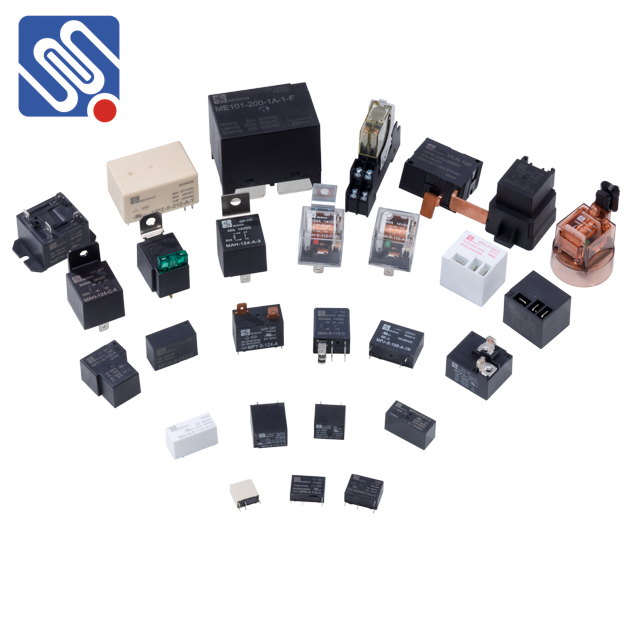
1. Electromagnetic Relays Electromagnetic relays are the most common type of relays and are widely used for general switching applications. They work by using an electromagnet to operate the switch mechanism. When a current flows through the coil, it creates a magnetic field that attracts an armature, which in turn closes or opens the switch contacts. Electromagnetic relays are typically used for controlling low voltage and low current devices, such as household appliances or basic industrial control systems. 2. Solid-State Relays (SSR) Unlike electromagnetic relays, solid-state relays (SSRs) have no moving parts. Instead, they rely on semiconductor components such as transistors, thyristors, or triacs to switch the electrical circuit. The absence of mechanical parts allows SSRs to offer faster response times, longer operational lifetimes, and quieter operations compared to their electromagnetic counterparts. SSRs are commonly used in applications requiring high-speed switching or in environments where vibration or mechanical failure of moving parts is a concern.